

Napa Valley Chardonnay is a white wine made from Chardonnay grapes grown in California's Napa Valley AVA. It combines rich fruit with barrel-aged complexity, making it one of the most celebrated white wine styles in the world. Since the 1976 "Judgment of Paris," where Napa Chardonnay defeated French wines in a blind tasting, it has reshaped the global white wine market.
Common Misconception: "Buttery and Heavy" Is Old News
"Napa Chardonnay is buttery and heavy" describes the 1990s, not today. The excessive oak style that dominated that era, using 100% new French oak with full malolactic fermentation, has largely been abandoned. Today's mainstream is a restrained oak style that preserves fresh acidity and pure fruit. The same grape becomes a completely different wine depending on how it's made.
Flavor Profile
Expect aromas of white peach, pineapple, and white rose, layered with barrel-derived vanilla and toast. The palate is medium-to-full bodied with soft acidity and a generous, warm finish.
| Attribute | Profile |
|---|---|
| Body | Medium to full |
| Acidity | Moderate |
| Tannin | Very light (white wine) |
| Aromas | White peach, pineapple, vanilla, toast |
| Serving Temperature | 8–12°C |
Regional Styles and Cultural Roots
Napa Valley was shaped by Italian immigrant families who arrived in the late 19th and early 20th centuries. Cesare Mondavi, originally from Le Marche, and Louis M. Martini, from Liguria, brought Italy's "vendemmia" tradition with them. After each day's harvest, families and workers would gather at long tables set out in the vineyard for a communal meal with wine, a tradition known locally as the "harvest dinner." Many Napa wineries still hold this ritual each fall. In Japan, Napa conjures images of modern luxury wine, but the foundation is genuinely Italian family wine culture.
| Region | Style |
|---|---|
| Napa Valley (California) | Full-bodied, ripe fruit, noticeable oak |
| Sonoma Coast (California) | Medium-bodied, bright acidity from marine influence |
| Burgundy (France) | Strong minerality, high acidity, restrained oak |
| Margaret River (Australia) | Well-balanced fruit and acidity, food-friendly |
The combination of barrel fermentation and malolactic fermentation (MLF, which converts sharp malic acid into softer lactic acid) determines the style. Full MLF produces a buttery texture; partial MLF retains freshness and acidity. Most modern Napa producers use partial MLF and limit new oak to 30–50%.
Enjoying It in Japan
Napa Chardonnay's richness and fruit sweetness pair surprisingly well with Japanese cuisine. I particularly enjoy it with gindara saikyo-yaki (the sweet miso glaze echoes the wine's vanilla notes), shrimp tempura, and mentaiko cream pasta. The ideal serving temperature is 10–12°C, about 15 minutes after removing from the refrigerator. Serve it too cold and the aromas close up, losing all that fruit character.
Federico's Recommendation
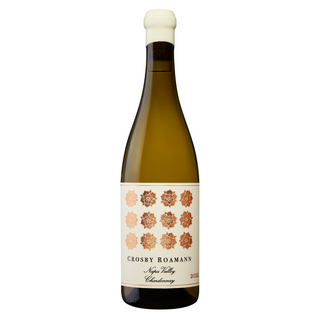
The Napa Chardonnay I reach for most often at SWIRL is the Crosby Roamann Napa Valley Chardonnay 2023. Harvested by hand before dawn to lock in acidity and freshness, then aged 18 months in French oak barrels. White peach, pineapple, and white rose on the nose, with an elegant structure that represents modern Napa Chardonnay at its best.
How to Choose and Related Grapes
Labels that say "Barrel Fermented" or "Sur Lie" signal a richer, more complex style. No mention of oak usually means stainless-steel fermentation and a cleaner, crisper profile. The closest comparison grape is Viognier, which shares a similar fruit sweetness and generous body. For the broader context of California wine, see our California Wine Complete Guide.
Frequently Asked Questions
Q. How does Napa Chardonnay differ from Burgundy Chardonnay?
A. Same grape, very different results. Napa's warm climate produces ripe fruit and barrel sweetness upfront. Burgundy's cool climate creates a wine built on minerality and acidity, with a tighter, more austere character.
Q. What is "unoaked" Chardonnay?
A. Chardonnay fermented and aged in stainless steel rather than oak barrels, producing no vanilla or toast flavors — just pure fruit and clean acidity. Look for "Unoaked" or "Steel Fermented" on the label.
Q. Why do I feel tired when drinking Chardonnay on its own?
A. This is a common experience. Napa Chardonnay is designed to accompany food. Drunk alone in large quantities, the richness, sweetness, and alcohol compound. Serve it slightly chilled, pour smaller amounts, and pair it with food.
Q. How long does an open bottle keep?
A. 2–3 days in the refrigerator with a proper stopper. Beyond that, oxidation flattens the aroma. Finish it within a few days of opening.
With its California sunshine richness, Napa Valley Chardonnay rewards pairing with seasonal ingredients. Give it a try alongside a Japanese dish that might surprise you.


Comments (0)
There are no comments for this article. Be the first one to leave a message!