

Amarone della Valpolicella is a full-bodied, bone-dry red wine from the Valpolicella zone in Veneto, Italy, made from grapes dried for 3–4 months using the appassimento method. With alcohol reaching 15–17%, it is one of the world's most concentrated red wines — often called "the King of Veneto."
Common Misconception: Amarone Is Not Sweet
The name "Amarone" leads many to assume it is sweet. In fact, "amaro" means "bitter / dry" in Italian. Amarone is completely dry. While the nose carries raisin-like richness, the finish is long, dry, and structured. The sweet counterpart is Recioto della Valpolicella, where fermentation stops early to keep residual sugar.
Tasting Profile
Extraordinary concentration from dried grapes, layered with the complexity of long aging. Black cherry, prune, dark chocolate, coffee, and warm spice interweave on the palate, wrapped in silky tannins.
| Attribute | Profile |
|---|---|
| Body | Full (world-class weight) |
| Acidity | Medium (softens with age) |
| Tannins | Powerful yet smooth |
| Aromas | Black cherry, prune, chocolate, coffee, spice |
| Serving temperature | 18–20°C |
Zones and Styles
The Valpolicella production area divides into the historic Classico zone (western Verona hills) and eastern extended zones. Classico tends toward elegance and mineral character; eastern zones lean toward power and fruit.
| Zone | Style |
|---|---|
| Valpolicella Classico | Elegant, complex, long-aging |
| Eastern zones (Valpantena, etc.) | Powerful, fruity |
| Amarone Riserva (min. 4 years aging) | Supremely complex, top tier |
The main grapes are Corvina Veronese (dominant), Rondinella, and Molinara. After harvest, bunches are laid on bamboo racks (arvolè) for 3–4 months, losing 30–40% of their weight to evaporation. A long, slow fermentation (45–60 days) converts all remaining sugar to alcohol — 15–17% — yielding a bone-dry wine. Barrel aging is minimum 2 years (4+ for Riserva), followed by bottle aging before release.
Verona preserves a famous legend about Amarone's birth. In 1936, Adelino Lucchese, a cellar worker at the Valpolicella cooperative, forgot a barrel of Recioto in the back of the cellar. When he finally tasted it, all the residual sugar had fermented out. Instead of sweet Recioto, he found a shockingly powerful dry wine and reportedly exclaimed: "This isn't amaro — it's Amarone!" Verona's local dish Risotto all'Amarone — risotto braised in Amarone — became a tribute to that happy accident.
Pairing with Japanese Food
For your first Amarone at a Japanese table, try sukiyaki. The sweet-savory sauce echoes Amarone's prune-and-chocolate concentration, and the beef fat pairs naturally with the wine's fruit density. Other great matches: braised hamburger steak, roast beef, and aged Parmigiano-Reggiano.
Serve at 18–20°C. Always decant for at least 30 minutes — young vintages need more. In Japan's hot summers, 15–20 minutes in the refrigerator brings the wine to its ideal serving temperature.
Federico's Recommendation
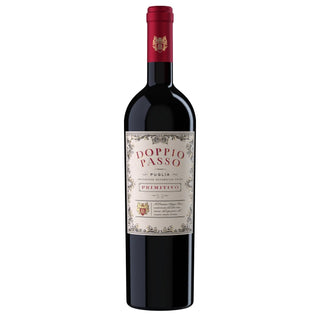
SWIRL does not yet carry Amarone, but the same appassimento technique is behind our Doppio Passo Primitivo from Puglia — a way to experience the concentration and length of appassimento at an accessible price. "Perfect prep for your first Amarone," I often tell customers.
How to Choose
On the label, confirm "Amarone della Valpolicella DOCG" and look for the Classico designation. Young Amarone needs 10–20 years of bottle aging to show its best; if drinking now, decant generously. Also worth knowing: Valpolicella Ripasso (re-fermented on Amarone pomace for added richness) and sweet Recioto della Valpolicella. Related article: What Is Appassimento?
Frequently Asked Questions
Q. What is the difference between Amarone and Valpolicella?
A. Both come from Valpolicella in Veneto, but Amarone uses dried grapes (appassimento) to make a dense, bone-dry, full-bodied wine. Regular Valpolicella uses fresh grapes and is lighter and more approachable. Price, alcohol, and aging potential differ significantly.
Q. Why is Amarone so expensive?
A. Three main reasons: (1) drying grapes 3–4 months shrinks the harvest by 30–40%; (2) fermentation and aging take 2–4+ years; (3) small-scale family production keeps volumes low. All these costs flow into the price.
Q. What is the difference between Recioto and Amarone?
A. Both use appassimento, but Recioto stops fermentation early to keep residual sugar, making a sweet wine. Amarone ferments all the way to bone-dry. Amarone was literally born from a forgotten Recioto barrel.
Q. Can a beginner enjoy Amarone?
A. It is powerful and full-bodied, better suited to those already comfortable with red wine. I recommend starting with Doppio Passo Primitivo (same technique) to get a feel for appassimento style before moving up to Amarone.
Q. How long does Amarone keep after opening?
A. High tannins preserve the wine for 3–5 days if re-corked and stored cool. That said, complex aromas evolve dramatically over time — drinking within 2 days is ideal to catch it at its best.
Born from a happy accident in the cellars of Veneto, Amarone is a wine to save for a special evening. Decant patiently, and let it fill the room with the warmth of northern Italy.


Comments (0)
There are no comments for this article. Be the first one to leave a message!