

Piedmont wine refers to wines produced in the Piedmont region of northwestern Italy, at the foot of the Alps. Home to Barolo, the "King of Italian Wines," this region is considered one of the most complex and prestigious wine-producing areas in the world. I am Federico, and today I want to share the full picture of Piedmont wine with you.
The Common Misconception About Piedmont
Most people think of Piedmont and immediately picture Barolo. And while Barolo is magnificent, reducing Piedmont to a single wine is like saying Burgundy is only Chambertin. Piedmont is home to an extraordinary range of styles: the elegant white Langhe Arneis, the delicate sparkler Moscato d'Asti, the everyday-friendly Barbera d'Asti, and the lighter Dolcetto. There is something for every occasion and every palate.
Taste Profile and Characteristics
Since Piedmont's grape varieties span a wide spectrum, let me focus on Arneis, Piedmont's finest white grape:
| Characteristic | Profile |
|---|---|
| Body | Light to medium |
| Acidity | Moderate, soft |
| Tannin | None (white wine) |
| Aroma | White peach, pear, almond blossom, light herbal |
| Serving Temperature | 10-12°C |
How Region and Climate Shape the Wines
Piedmont sits in a natural amphitheater formed by the Alps to the north and west and the Apennines to the south. This geography creates a continental climate with cold winters and warm summers, ideal for late-ripening grapes like Nebbiolo.
| Wine / Grape | Character | Key Zone |
|---|---|---|
| Barolo (Nebbiolo) | Powerful, tannic, long-lived; roses, tar, dried violets | Langhe / Alba |
| Barbera d'Asti | Bright acidity, red fruit, food-friendly everyday red | Asti / Monferrato |
| Dolcetto d'Alba | Soft tannin, plum and licorice, approachable young | Alba / Dogliani |
| Langhe Arneis | Delicate white; pear, almond, dry and refreshing | Roero |
| Moscato d'Asti | Low alcohol, sweet peach and apricot, light sparkle | Canelli / Santo Stefano |
A winemaking note worth knowing: Barolo must age a minimum of three years (five for Riserva), with at least 18 months in oak. Traditional producers favor large Slavonian oak casks for slow, gentle oxygenation; modern producers often use smaller French barriques for a softer, more immediately approachable style. Both are legitimate, and the difference in the glass is striking.
Enjoying Piedmont Wine in Japan
There is a beautiful piece of Piedmontese culture I want to share, one nearly unknown in Japan. Every November, on the last weekend of the month, the city of Asti hosts Bagna Cauda Day, a communal celebration of Bagna Cauda, the warm sauce of anchovies, garlic, and olive oil. More than 170 venues across Piedmont participate, with over 48,000 seats filled. Families and strangers sit together, dipping raw vegetables and bread into the warm sauce while drinking local Barbera or Dolcetto. It is winter, communal, and profoundly Piedmontese.
This tells you everything about how Piedmontese people relate to wine: inseparable from the table and from the people around it. In Japan, I find Langhe Arneis pairs beautifully with delicate dishes. Try it with yudofu (tofu hot pot), white-fleshed sashimi, or chilled soba. The soft acidity and almond note harmonize with delicate umami. Moscato d'Asti, served around 8°C, is a perfect companion to fresh fruit, light desserts, or after a Japanese meal.
A tip for Japanese homes without a wine cellar: keep Arneis in the refrigerator door and take it out 15 minutes before serving. Do not over-chill it. The subtle aromas open beautifully at 10-12°C.
Federico's Recommendation from SWIRL
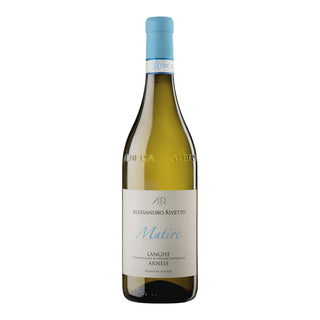
The Piedmont wine I pour most often at SWIRL is Langhe Arneis from Rivetto. It surprises people who expect only big Nebbiolo from this region: clean, dry, with that signature almond finish that makes it endlessly food-friendly. Find the full details and add it to your cart below.
For something softer and lightly sweet, I also recommend Moscato d'Asti. Perfect for a gentle end to a meal or an afternoon pleasure. Find it here: Moscato d'Asti (SWIRL).
How to Choose and Similar Grapes
If you are new to Piedmont, start with Langhe Arneis or Barbera d'Asti, which offer immediate pleasure without years of cellaring. For those ready to explore Nebbiolo's complexity, a Langhe Nebbiolo (often the "younger sibling" of Barolo at a friendlier price) is an excellent stepping stone.
Arneis is sometimes compared to Viognier (floral, stone fruit, dry) or white Burgundy (almond, minerality). If you enjoy either of those, Arneis will resonate. For similar structure to Nebbiolo, Rioja Tempranillo or Barossa Shiraz are worth exploring, though Nebbiolo's perfume is truly its own.
Related reading: Sicily Wine Guide | Chianti and Sangiovese Guide
Frequently Asked Questions
Q. Is Barolo the only great wine from Piedmont?
A. Not at all. While Barolo is world-famous, Barbaresco, Barbera d'Asti, Dolcetto, Langhe Arneis, and Moscato d'Asti all have devoted followings and offer excellent diversity.
Q. Is Piedmont wine expensive?
A. Barolo and Barbaresco command premium prices, but entry-level Barbera and Dolcetto are very accessible. Langhe Arneis sits in the mid-range and offers excellent quality for the price.
Q. What foods pair best with Piedmont wine?
A. Barbera with pizza or tomato-based pasta; Arneis with fish, light pasta, or tofu; Barolo with braised beef, aged cheese, or truffle. Moscato d'Asti pairs wonderfully with fresh fruit or light desserts.
Q. Is Moscato d'Asti sweet?
A. Yes, gently sweet and low in alcohol (typically around 5-5.5% ABV). It is a delicate, lightly sparkling wine, very different from heavier commercial Moscato wines.
Q. I tried a Barolo and found it very tannic. Was I drinking it wrong?
A. Barolo needs time and food. A young Barolo benefits from decanting for at least one hour, ideally two to three. Pair it with rich food and the tannins soften beautifully. With age (10-plus years), Barolo becomes remarkably elegant.
Piedmont rewards curiosity. Whether you start with the gentle Arneis or eventually venture into aged Barolo, the wines of Piemonte will keep surprising you. I hope you find your own path through this extraordinary corner of Italy.


Comments (0)
There are no comments for this article. Be the first one to leave a message!