

On an island in the Mediterranean, the wind shapes the wine
Sicily. Italy's largest island, floating in the Mediterranean, has made powerful wines for millennia — shaped by relentless sun, sea breezes, and the volcanic soil from Mount Etna's ancient eruptions. I grew up on the Italian mainland and still remember the first time I tasted a Sicilian Nero d'Avola as a teenager. Velvety cherries, dark chocolate, a depth I wasn't expecting. "This is the real Sicily," I thought — and that memory has never left me.
The reason Sicily has become a serious talking point in Japan is not just fashion. It's because the island delivers extraordinary value alongside an extraordinary diversity of native grapes — and sommeliers around the world have taken notice.
"Sicily is cheap bulk wine" is a story from the 19th century
There's a persistent misconception about Sicilian wine — that low price means low quality. That image belongs to history, not today's cellars.
In fact, during the phylloxera crisis of the 1800s, Sicilian wine literally helped save French production. As the aphid devastated vineyards across France, dense, concentrated Sicilian reds were shipped north to Bordeaux and beyond, shoring up the colour and body of French wines during a catastrophic shortage. And the flagship white grape, Grillo, was first documented in 1873 and confirmed as a cross between Catarratto Bianco and Muscat of Alexandria — a grape with a history as long and layered as Sicily's own.
Key Sicilian varieties and what they taste like
Sicily is one of the world's most variety-rich wine regions. Here is a quick reference for the main grapes.
| Variety | Colour | Aromas and flavour | Food pairings |
|---|---|---|---|
| Nero d'Avola | Red | Dark cherry, tomato, chocolate, spice | Red meat, aubergine dishes, grilled food |
| Primitivo | Red | Blueberry, dried fig, black pepper, meaty notes | Pasta, bistecca, grilled game |
| Grillo | White | Citrus, white peach, floral honey, mineral salinity | Seafood, raw dishes, mountain vegetables |
| Inzolia | White | Apple, pear, almond, cider-like acidity | Mountain cuisine, pork dishes, sushi |
| Catarratto Bianco | White | Fresh citrus, blossom, gentle acidity | Dairy dishes, appetisers, seafood salads |
How region changes everything in Sicily
Sicily is too vast for a single image. The western coast of Trapani produces bright, fresh whites that sing with seafood. The slopes of Etna — where volcanic basalt soil meets altitude — produce Nero d'Avola and indigenous whites of remarkable mineral precision, now among the most sought-after bottles in Italy. In the interior, the Contrada hillsides generate wines of intense concentration, their acidity tightly wound from the high diurnal temperature swings.
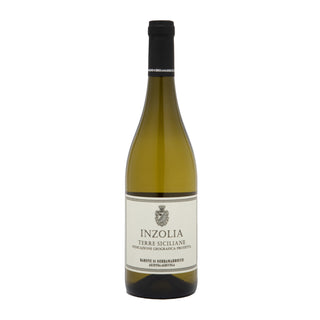
The Inzolia made by Baronesse di Serramarrocco in Sicily's northwest grows in a unique terroir where the thermal currents from Etna and the coastal tramontane wind meet. The wine's apple and pear fragrance and almond-tinted finish pair beautifully with Japan's delicate culinary tradition — a combination that still surprises me, even after years of recommending it.
Enjoying Sicilian wine in Japan
Japan's refined, umami-rich food culture is a natural match for Sicilian wines. Inzolia whites alongside fresh sashimi or carpaccio: the golden fruit aromatics and clean finish take the lead. Nero d'Avola with wagyu bolognese or chilled pasta: the wine's full, dark fruit profile rises to meet the richness of the dish.
Japanese sommeliers and wine bars have begun adding high-quality Sicilian bottles to their lists in growing numbers — and that movement will only widen as more guests discover how well these wines sit alongside Japanese food.
Federico's recommendation
As an introduction to Sicilian whites, the wine I recommend first — without hesitation — is Inzolia Bio by Barone di Serramarrocco. Grown in volcanic soil in northwestern Sicily, it offers ripe apple and pear aromatics, a delicate almond note, and a clean, refreshing finish. As an Italian who grew up with these wines, I can recommend this one with genuine conviction.
Choosing and serving Sicilian wine
Sicilian whites are best served at 8–12°C — chilled enough to coil the hair of the aromas. Reds (Nero d'Avola) are ideal at 16–18°C; too cold and the tannins feel angular rather than silky.
For drinking windows: Inzolia and Grillo are best within one to three years of purchase, when their fruit is brightest. Nero d'Avola repays five or more years of cellaring — complexity builds steadily, and what starts as fruit becomes something richer and more contemplative.
Frequently asked questions
Q. Why is Sicilian wine often inexpensive?
A. The climate is generous — high yields of concentrated grapes are achievable without the same difficulty as in cooler regions. That structural advantage keeps entry-level prices low. Premium Sicilian wines, however, carry no price discount.
Q. What is the difference between Nero d'Avola and Primitivo?
A. Nero d'Avola is Sicily's mountain grape — dense bodied, with a meaty, savoury character. Primitivo is from Puglia on the mainland — its calling card is ripe blueberry, dried fig, and bold pepper. The terroirs, climates, and winemaking approaches are quite different, so the flavours diverge significantly.
Q. I can't imagine Sicilian food pairings — where should I start?
A. Start with Inzolia or Grillo white. Fruit-forward and light on the palate, they work effortlessly with a wide range of Japanese dishes and are approachable for first-time drinkers of Sicilian wine.
Q. Can I buy Sicilian wine in Japan?
A. Yes. Swirl imports Sicilian wines directly and keeps them in stock year-round. Try a few different producers and explore the full breadth of what this island makes.


Comments (0)
There are no comments for this article. Be the first one to leave a message!