

Umbria is Italy's only landlocked central region, rising across rolling hills just 200km north of Rome. Known as the "Cuore Verde d'Italia" (Italy's Green Heart), its steep day-night temperature swings from the Apennine ridgeline, combined with ancient layers of volcanic tufa soil, yield wines of remarkable mineral complexity. Sagrantino — the world's most tannic documented grape variety — and Orvieto, a white wine that graced the tables of Renaissance popes for centuries, are Umbria's two defining faces.
Common Misconception: Umbria Is Not in Tuscany's Shadow
The belief that Central Italy's wines begin and end with Chianti dies hard — but Umbria has its own distinctive identity. While Sangiovese is grown here too, Umbria's native Sagrantino di Montefalco DOCG requires a minimum of 37 months' ageing before release, and research shows its polyphenol content exceeds Barolo's by more than double. This is a wine region far too interesting to drive through without stopping.
Umbrian Wine Styles and Key Specs
| Type | Sagrantino (Red) | Orvieto (White) | Torgiano Rosso (Red) |
|---|---|---|---|
| Main grape(s) | Sagrantino | Grechetto, Trebbiano | Sangiovese-based |
| Classification | DOCG | DOC | DOCG (Riserva) |
| Flavour profile | Powerful, high tannin, dark fruit, spice | Fresh, almond, citrus | Medium-full, cherry |
| Minimum ageing | 37 months (incl. 12 in oak) | Early drinking | Riserva: 3 years |
| Alcohol | 13–14.5% | 11.5–12.5% | 12–13.5% |
| Serving temperature | 16–18°C | 8–10°C | 14–16°C |
Styles by Sub-Zone: Montefalco vs. Orvieto
Umbria's main growing zones run north to south. Around Perugia in the north, you find Torgiano DOCG alongside several white wine appellations. Montefalco in the centre is Sagrantino's heartland: a medieval hilltop town surrounded by steep terraced vineyards. Orvieto in the south perches on a dramatic cliff of volcanic tufa; its white wines ferment slowly in deep underground cellars called "grotte," a tradition stretching back to the Middle Ages.
Sagrantino's exceptional status: A 2014 joint study by the Universities of Perugia and Bari found that Sagrantino di Montefalco has the highest polyphenol content of any Italian variety measured. Its dense tannin structure makes it exceptionally long-lived — in great vintages it can age comfortably for 10 to 20 years.
Enjoying Umbria Wines in Japan
Umbrian wines suit the Japanese table well, thanks to their balance of moderate acidity and firm tannin. Sagrantino-style reds are outstanding with sukiyaki, lean beef, duck breast, and slow-braised pork belly. The fat softens the tannin while the wine's dark fruit lingers in the finish. Orvieto-style whites shine with seafood: white-flesh sashimi, grilled squid, and steamed abalone all benefit from the wine's subtle almond richness.
- Reds (Sagrantino style) → sukiyaki, braised beef tongue, cheese fondue
- Whites (Orvieto style) → white-fish sashimi, grilled oysters, mountain vegetable tempura
The wine the Popes loved: In the Renaissance, Orvieto was widely known as the official wine of the Papal Court. Pope Paul III (Alessandro Farnese) reportedly called it "Vino dei Papi" — the Wine of the Popes — and maintained large stocks in Vatican cellars. The legacy lives on: bottles labelled "Il Vino dei Papi" are still produced and sold today.
Federico's Recommendation
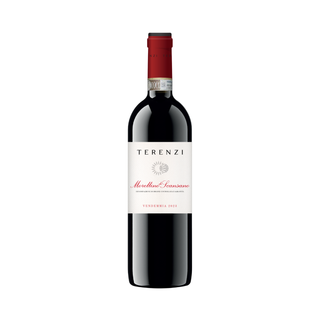
Sagrantino itself is not currently in Swirl's range, but I recommend the next best thing: Terenzi Morellino di Scansano 2023, from Tuscany's Maremma coast — right on Umbria's doorstep. It's 100% Sangiovese DOCG, grown in the same Central Italian volcanic soils that define the Umbrian style. Dark fruit, spice, long finish — all the hallmarks of great central Italian reds — at a friendlier weight. A perfect introduction to what Umbria is all about.
Buying Guide, Peak Drinking Windows and Similar Grapes
Buying tips: For Sagrantino, seek out bottles at least 5–6 years old; ideally 10 or more. Young examples are often closed and astringent — decant for 1–2 hours or simply wait. Orvieto is for early drinking: best within 2–3 years of harvest.
Similar grapes: If you love Sagrantino's tannin intensity, try Barolo (Nebbiolo) or Aglianico from Campania. For a white with Orvieto's character, look at Grechetto di Todi or Vermentino.
FAQ
Q: Should I choose Umbria or Tuscany?
A: They're very different. Tuscany is celebrated for Sangiovese's elegance; Umbria offers Sagrantino, a native grape Tuscany simply does not have. If you love tannic, powerful reds that age for decades, Umbria is worth exploring.
Q: Why does Sagrantino have so much tannin?
A: Sagrantino has thick skins and a high skin-to-juice ratio, meaning more polyphenols are extracted during fermentation. High-altitude UV intensity is also thought to push the grape's natural polyphenol defences higher.
Q: How do I pick a quality Orvieto at the supermarket?
A: Look for "Orvieto Classico" or "DOC Superiore" on the label. These carry higher standards than plain Orvieto DOC and are more likely to reflect the tufa-cellar tradition.


Comments (0)
There are no comments for this article. Be the first one to leave a message!