

Burgundy is one of France's most prestigious wine regions, located in the east of the country, celebrated worldwide for two grape varieties: Pinot Noir (red) and Chardonnay (white). From ultra-rare bottles worth millions of yen to accessible everyday wines, Burgundy produces an extraordinary range of styles from its small, storied vineyards.
Common Misconception: "Burgundy" Is Not One Flavor
Burgundy has a four-tier classification system: Grand Cru (top-tier vineyards), Premier Cru (first-growth), Village (commune-level), and Regional (entry-level). Vineyards just meters apart can carry different classifications, with prices reflecting those differences dramatically. If you have tried a Burgundy and found it underwhelming, chances are you were drinking the Regional tier. As you move up the hierarchy, complexity and aging potential increase remarkably.
Taste Profile
| Attribute | Chardonnay (White) | Pinot Noir (Red) |
|---|---|---|
| Body | Medium to full | Light to medium |
| Acidity | High (pure, sharp) | High (elegant) |
| Tannins | None to very light | Light to medium (silky) |
| Aromas | Pear, butter, hazelnut, white flowers | Cherry, rose, leather, spice |
| Serving Temp | 10-12°C | 14-16°C |
Style by Sub-Region
| Area | Main Grape | Style Character |
|---|---|---|
| Côte de Nuits | Pinot Noir | Powerful and complex. Home to Grand Crus like Gevrey-Chambertin and Vosne-Romanée |
| Côte de Beaune | Chardonnay-led | Home to the world's finest whites: Meursault and Montrachet. Also Pommard and other red names |
| Chablis | Chardonnay | Sharp acidity and minerality from ancient marine limestone soils. Mostly unoaked |
| Mâconnais | Chardonnay | Fruit-forward and approachable. The best entry point into Burgundy |
Among reds, whole-bunch fermentation — where stems are fermented together with the grapes — has seen a revival among top producers, adding spice and silky tannins. For whites, top Côte de Beaune estates age in new oak barrels to develop buttery and toasted notes, while Chablis producers generally skip oak entirely to let the terroir speak for itself.
Enjoying Burgundy in Japan
When I first visited Burgundy, one tradition stood out immediately: La Paulée, the celebratory feast held at the end of harvest. Everyone, pickers, winemakers, family, gathers at one long table, shares bottles from the estate, and celebrates the year's work together. A tradition dating back to the Middle Ages, it captures perfectly the pride and care that goes into every bottle. In Japan, harvest marks the beginning of logistics; in Burgundy, it marks the end of a year's dedication, celebrated with wine and community.
For pairing Chardonnay at the Japanese table, try white miso soups, steamed clams, or chawanmushi (savory egg custard). The oak-derived richness of Chardonnay melds beautifully with dashi-based umami flavors. Pinot Noir, despite a reputation for being heavy, is actually light and elegant, making it a natural partner for duck roast, shabu-shabu, and mushroom dishes. In summer, serve Pinot Noir slightly chilled at around 14°C for a smoother experience.
Federico's Recommendation
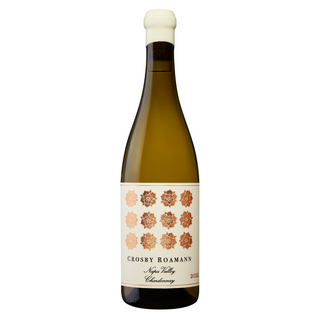
Once you understand Burgundy's Chardonnay benchmark, you will be amazed at how the same grape transforms across regions. I often recommend our Napa Valley Chardonnay (Crosby Roamann) as a gateway: the warmth and sunshine of California bring out the richness and depth that Burgundy Chardonnay is known for, making it an excellent first step into the world of serious Chardonnay.
How to Choose / Serving Tips / Similar Grapes
Always check the appellation on the label. "Bourgogne" alone means Regional level. A village name or vineyard name signals higher quality. Village-level and above Chardonnay benefits from 3-7 years of aging; Pinot Noir from 5-10. For similar varieties, see our Chardonnay guide and our Pinot Noir guide.
FAQ
Q. Why is Burgundy wine so expensive?
A. Vineyards are extremely small and all harvesting is done by hand, limiting production. Grand Cru sites are just a few hectares in size, and global demand vastly outstrips supply, pushing prices sky-high.
Q. What does "Côte d'Or" mean?
A. It is French for "Golden Slope," referring to the central strip encompassing the Côte de Nuits and Côte de Beaune. The name comes from the golden color of the vine leaves in autumn during harvest season.
Q. Which is better for beginners, Bordeaux or Burgundy?
A. Burgundy is generally easier to approach: each wine is made from a single grape variety, making it simpler to understand individual flavor profiles. Bordeaux blends multiple varieties and styles vary significantly by subregion, so it helps to have some wine experience before diving in.
Q. How can I tell if a Chardonnay is oaked or unoaked?
A. Chablis and any wine labeled "sans fût" (without oak) are unoaked. Meursault and Montrachet-style wines, or any bottle noting aged in oak barrels, will show buttery and toasted aromas. Match your choice to the dish: unoaked with seafood, oaked with richer fare.
Q. How do I find affordable Burgundy that still tastes great?
A. Look to the Mâconnais (Viré-Clessé, Pouilly-Fuissé) or the Regional tier from well-regarded producers. The entry-level wines of respected domaines often punch well above their price.
Finding your own style is the first step into Burgundy's fascinating world. Feel free to reach out to SWIRL with any questions.


Comments (0)
There are no comments for this article. Be the first one to leave a message!