

Chianti is a dry red wine made primarily from Sangiovese grapes in the hills of Tuscany, Italy. Produced in the rolling hills between Florence and Siena, it is one of Italy's most recognized wines. Once famous for its straw-wrapped Fiasco bottles, Chianti has evolved significantly in quality and now stands as a flagship for authentic Sangiovese expression.
Chianti vs. Chianti Classico: What's the Difference?
Many people assume Chianti Classico is simply a premium version of Chianti, but they are actually separate DOCGs. Chianti covers a broad territory including multiple sub-zones (Rufina, Colli Fiorentini, Colli Senesi, and others), offering great value for everyday drinking. Chianti Classico is produced exclusively in the historic heartland between Florence and Siena, identifiable by the Gallo Nero (Black Rooster) seal on the label.
Tasting Profile
Expect aromas of fresh cherries and red plum layered with dry herbs and leather. The tannins are firm but approachable — far more accessible in youth than Barolo or Amarone. High acidity is the grape's hallmark and makes it an excellent food wine.
| Element | Typical Character |
|---|---|
| Body | Medium to full |
| Acidity | High (characteristic of Sangiovese) |
| Tannins | Medium to firm |
| Aromas | Cherry, red plum, dried tomato, leather, herbs |
| Serving temperature | 16–18°C |
Styles by Sub-Zone
| Sub-Zone | Style |
|---|---|
| Chianti Classico | Most prestigious. Firm tannins, complex fruit, age-worthy |
| Chianti Rufina | Higher altitude near the Apennines. Elegant, high acidity, excellent aging potential |
| Chianti Colli Fiorentini | Near Florence. Approachable fruit, ideal for everyday drinking |
| Chianti Colli Senesi | Siena hills. Round, softer style |
In winemaking, Gran Selezione (the top tier of Classico) typically combines new and aged barriques with large Slavonian oak barrels for complexity. Standard Chianti is predominantly stainless-fermented, with a fresh, fruit-forward profile designed for early drinking.
The Legend of the Gallo Nero
The Black Rooster emblem on Chianti Classico bottles has roots in a medieval legend. Florence and Siena disputed the Chianti territory for centuries. They agreed that riders would set out at cockcrow and the border would be drawn where they met. Siena chose a well-fed white rooster; Florence deliberately starved a black rooster so it crowed well before dawn. Florence's rider covered far more ground and claimed most of Chianti. This story gave birth to the Gallo Nero symbol, adopted in 1924 when the Consorzio del Chianti Classico was founded with 33 producers. In Florence today, spotting the Gallo Nero seal on a wine list is second nature to any local.
Pairing with Japanese Food
Chianti's high acidity and cherry fruit integrate beautifully with Japanese cuisine. Top pairings: yakitori with tare (sweet soy) sauce — the sweet-savory glaze and Sangiovese acidity create a surprisingly natural combination. Sukiyaki, tomato-based Japanese pasta, and beef simmered in dashi also work well. Serve at 16–18°C; in Japan's summer heat, chill in the refrigerator for 30 minutes first.
Federico's Recommendation
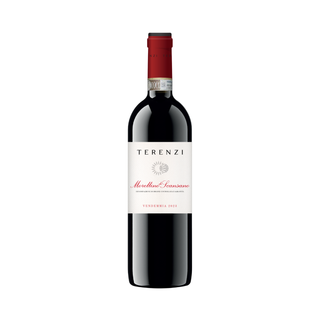
The closest wine we currently carry to the Chianti spirit is Terenzi's Morellino di Scansano. It's a different DOCG — from the Maremma coast of Tuscany rather than the Chianti hills — but it is 100% Sangiovese. Slightly fuller-bodied than typical Chianti, it carries the same signature cherry fruit and bright acidity of Tuscan Sangiovese.
How to Choose and What to Compare
"Chianti Classico" on the label means the historic heartland. "Riserva" indicates at least 2 years of aging; "Gran Selezione" means 3 or more. Budget guide: ¥2,000–3,500 for casual drinking, ¥5,000+ for Riserva complexity. Drink standard Chianti within 2–5 years of harvest; Riserva can age 5–10 years. Similar wines: Morellino di Scansano (rounder Sangiovese from Maremma), Montepulciano d'Abruzzo (similar acid and tannin structure). Related guides: What is Sangiovese?, Tuscany Wine Guide.
FAQ
Q. What is the difference between Chianti and Chianti Classico?
A. They are separate DOCGs. Chianti covers a broad territory across Tuscany. Chianti Classico is produced only in the historic heartland between Florence and Siena, identifiable by the Gallo Nero (Black Rooster) seal.
Q. Is Chianti just a cheap wine?
A. Not anymore. The Fiasco-bottle era left that reputation, but quality has risen dramatically. Gran Selezione wines from top producers receive high scores internationally. Even standard Chianti DOCG now offers solid quality.
Q. Does Chianti pair well with Japanese food?
A. Yes. Particularly with yakitori (tare style), sukiyaki, and tomato-based dishes. Sangiovese's acidity complements the umami in Japanese cuisine naturally.
Q. What is the best Chianti for beginners?
A. Start with a Chianti Classico (Gallo Nero seal) in the ¥2,500–3,500 range. Look for 100% Sangiovese on the label for the clearest expression of the grape.
Q. What is the relationship between Chianti and Sangiovese?
A. Chianti's primary grape is Sangiovese, required at a minimum of 70–80% under DOCG rules. The same grape is used in Brunello di Montalcino and Morellino di Scansano — all different expressions of Tuscany's signature variety.
Chianti spans the spectrum from affordable everyday reds to world-class Riservas. Start with the Gallo Nero, and you're already on the right track.


Comments (0)
There are no comments for this article. Be the first one to leave a message!