

Vino novello is Italy's "new wine," made from freshly harvested grapes of the current year. Produced using carbonic maceration (a technique in which whole, uncrushed grapes ferment inside the berry), it yields a fresh, fruit-forward, low-tannin light red. In Japan, Beaujolais Nouveau is the go-to "new wine," but every autumn Italy has its own eagerly awaited new release.
Common Misconception: Is Novello Just an Italian Beaujolais?
"Novello equals Italian Beaujolais" is a common misunderstanding, but the two are quite different. Beaujolais Nouveau is made from Gamay grapes in France's Beaujolais region and released on the third Thursday of November. Novello, by contrast, is made across Italy from a variety of grape types and, by law, may be shipped from 12:01 a.m. on October 30 and must be sold by December 31 of the same year.
Another major difference is the production method. Since a 2012 regulatory change, Italian novello must be made with at least 40% carbonic maceration (previously 30%). Only DOP- or IGP-certified wines may carry the name, with a minimum alcohol of 11% and residual sugar no higher than 10 g/L. In other words, novello is not an imitation of Beaujolais but an autumn tradition protected by Italy's own regulations.
Flavor Profile
In carbonic maceration, whole grapes go into the tank and fermentation begins inside each berry. This creates vibrant aromas of banana and strawberry candy while keeping tannins very low. Think of it as an autumn picnic wine you can serve chilled and drink freely.
| Attribute | Character |
|---|---|
| Body | Light |
| Acidity | Medium, fresh |
| Tannins | Very light |
| Aromas | Red fruit, banana, candy, flowers |
| Serving temp. | 12-14 °C (54-57 °F), slightly chilled |
Learn more about how "body" and weight work in wine in our Guide to Wine Body.
Regional Styles
Novello is produced all over Italy, but the character varies by region.
| Region | Style |
|---|---|
| Veneto | High production volume; light, fruity, a table-wine staple |
| Piedmont | Often Barbera-based; bright acidity and a leaner, tighter profile |
| Tuscany | Sangiovese-based; slightly more structured |
The higher the proportion of carbonic maceration, the more aromatic and fruit-driven the wine becomes. Novello is not meant for aging; it is a wine to drink "now, this autumn." Open the bottle and enjoy it soon.
Enjoying Novello in Japan
In Italy, novello is inseparable from San Martino (St. Martin's Day, November 11). On this day, farmers open fresh barrels to taste the new wine, and village festivals (sagre) pair roasted chestnuts (caldarroste) with novello. An old Italian saying goes, "On San Martino, every pressing becomes fine wine," showing just how deeply this tradition is rooted. While Beaujolais Nouveau dominates awareness in Japan, the Italian pairing of roasted chestnuts and new wine is the true taste of autumn.
At a Japanese table, serve novello slightly chilled alongside yakitori (salt), grilled sanma, sauteed mushrooms, chestnut rice, or roasted sweet potato. Its low tannins won't clash with the delicate flavors of dashi-based dishes. No cellar? Just place the bottle in the fridge 30 minutes before serving.
Federico's Pick
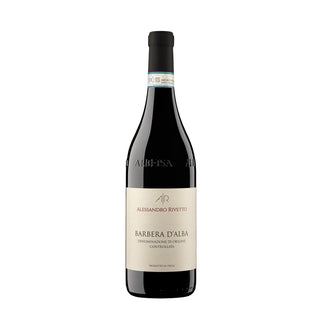
True novello is seasonal and limited, but the appeal of a "fresh, fruit-rich, light red like a just-pressed wine" can be enjoyed year-round. My go-to this time of year is Barbera d'Alba by Alessandro Rivetto from Piedmont. Its bright acidity, juicy fruit, and light body make it the perfect everyday red for anyone who loves novello. Serve it slightly chilled with chestnut or mushroom dishes.

How to Choose and When to Drink
When choosing novello, always confirm it is the current vintage. Last year's novello is past its prime. Ideally, finish the bottle within a few days of opening. Don't over-chill it; serve at 12-14 °C to let the aromas shine. For a refresher on how French and Italian new wines differ, see our Beaujolais Nouveau Guide. For more on Italian dried-grape techniques, check out our Complete Guide to Appassimento.
FAQ
Q. Can novello be aged for years?
A. No. Novello is not meant for aging; it should be enjoyed within the year. Drink it soon after purchase.
Q. Which is sweeter, novello or Beaujolais Nouveau?
A. Both are dry wines. Novello's residual sugar is capped at 10 g/L by regulation. The fruity aromas can give an impression of sweetness, but the wine itself is not sweet.
Q. What is the most common mistake?
A. Drinking it at room temperature. A slight chill brings out the aromas and fruit flavors significantly.
Q. When is novello available?
A. Italian novello appears from October 30 each year and disappears by year's end. It is an autumn-only pleasure.
Q. What foods pair well with novello?
A. Roasted chestnuts, mushroom dishes, yakitori (salt), and grilled sanma are excellent autumn pairings. Its low tannins also make it compatible with Japanese cuisine.


Comments (0)
There are no comments for this article. Be the first one to leave a message!