
Organic (bio), biodynamic, natural (vin nature), vegan, sustainable. Wine's eco and honest-making labels sound alike and overlap a lot, but each one points at something different. In short, they focus on different places: the vineyard, the whole winemaking, the materials used, or the business as a whole. Here, from the perspective of importing Italian wine in Tokyo, is a clear guide to the difference between these five terms.
The common misunderstanding to clear up first
The most common mix-up is "organic equals natural equals vegan, all the same thing." In fact these are separate axes.
- Organic and bio mean the same thing (bio is simply the European word). Both are certifications about the vineyard: growing without synthetic pesticides or chemical fertilizers.
- Natural (vin nature) is about the whole making. It is a philosophy, not an official certification, keeping additives to a minimum from the vineyard through to the cellar.
- Vegan is about the materials. On a separate axis from the environment, it means no animal-derived products are used in making the wine.
The five differences at a glance
| Label | What it focuses on | Certification |
|---|---|---|
| Organic (bio) | Vineyard: grown without synthetic pesticides or chemical fertilizers | Yes (EU organic, etc.) |
| Biodynamic | Vineyard plus calendar: organic, plus a distinct method following lunar and cosmic rhythms | Yes (Demeter, etc.) |
| Natural (vin nature) | Whole making: minimal additives from vineyard to cellar | Mostly none (a voluntary philosophy) |
| Vegan | Materials: no animal-derived products in fining and finishing | Yes (V-Label, etc.) |
| Sustainable | Whole business: environmental, social and economic sustainability | Yes (Italy's VIVA, Equalitas, etc.) |
A little more detail
Knowing where each certification looks makes choosing easier. EU organic certification mainly looks at the vineyard (growing without synthetic pesticides or chemical fertilizers). Biodynamic Demeter goes beyond organic to include how compost is made and even a calendar of tasks, a distinct farming method. The key for vegan wine is fining (the finishing step that removes cloudiness): conventionally this can use egg white, gelatin or casein (milk-derived), while vegan wines use only plant or mineral agents such as bentonite (a type of clay). Sustainability is broader still, assessing the whole producer's sustainability, including water and energy use and the people who work there. In Italy, VIVA (a government initiative) and Equalitas are the best known.
Choosing and enjoying it in Japan
Natural wine is often assumed to be cloudy and sour or funky, but in reality plenty are clear and easy to drink. Certification labels are often printed small on the back label, so if you are curious, start by checking the back. Choosing is easy once you decide what matters most to you: the vineyard's environment points to organic (bio), avoiding animal products points to vegan, naturalness across the whole making points to natural, and overall sustainability points to sustainable.
Let me share one way it is enjoyed at home in Italy. In Sicily there is a dialect word, schiticchio. Used around Palermo, it means a spur of the moment gathering: heading outdoors with friends, sharing home cooking or a barbecue, eating and drinking at a relaxed pace. Between vineyard work or on a day off, honest wine enjoyed just as it is. The charm of organic and natural wine is exactly this: an unpretentious, honest glass. Do not overthink it; open one casually at your everyday table.
Federico's picks
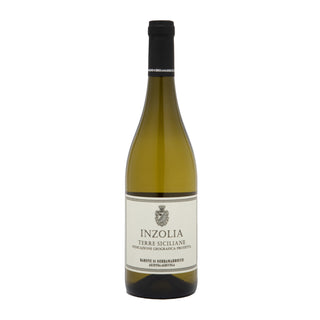
For an easy, eco-minded wine to try, I recommend Sicily's Barone di Serramarrocco Inzolia. A dry white from the native Inzolia grape grown with sustainable farming, well chilled it offers pleasant citrus and herb aromas and pairs beautifully with Japanese food. Sunny, windy Sicily sees little vine disease, which also makes organic-minded growing easier there. If you are looking for a vegan bottle made without animal-derived materials, Syrah Seduzione is a fine example.
For those who want to go deeper
Each theme has its own dedicated article. Read on.
- What is certified organic wine? The difference from bio
- What is bio wine? The difference from organic, and Sicily's natural farming
- What is natural wine (vin nature)?
- What is vegan wine? Making it without animal products
- What is biodynamic farming?
- Key points for choosing sustainable wine
Frequently asked questions
Q. Are natural wine and organic wine the same?
A. No. Organic (bio) is a certification about the vineyard: growing without synthetic pesticides or chemical fertilizers. Natural is a philosophy about the whole making, keeping additives to a minimum from vineyard to cellar, but it has no official certification. They overlap a lot, but they are different terms.
Q. What is the difference between vegan wine and organic wine?
A. They focus on different places. Organic is about growing (the vineyard); vegan is about not using animal-derived materials in the making (such as the egg white or gelatin used in fining). A wine can be organic but not vegan, and vice versa.
Q. Are there naturally made wines without certification?
A. Yes. Certification costs time and money, so there are many producers worldwide who farm organically and naturally without seeking it. Look beyond the presence of a label to the producer's approach as well.
Q. Is sustainable wine only about the environment?
A. No. Sustainability covers the environment plus society (the people who work) and the economy (the business), an overall sustainability. Italy's VIVA and Equalitas are certifications based on this idea.
Q. Can I buy these in Japan?
A. Yes. We carry sustainably farmed white wines among others. Start with an easy bottle and try it at your everyday table.


Comments (0)
There are no comments for this article. Be the first one to leave a message!