

The best wines for monkfish (ankou) are crisp, mineral dry whites or light reds for the delicate hot pot, and fine bubbles or a touch of sweetness for the rich ankimo (monkfish liver). Monkfish spans a wide range in both flesh and liver, so the ideal bottle changes a lot with the dish. For a pot made with its lean flesh, reach for a clean white; for the rich ankimo, known as the sea's foie gras, choose a wine whose acidity or bubbles can unwind that richness.
I am Italian, I import Italian wine in Tokyo, and I pour it for guests almost every day. In winter, around a table of monkfish hot pot or ankimo, people often ask me which wine to pour. Monkfish is an ingredient that changes completely by dish: the pot, the ankimo, karaage (fried), and tomoae (flesh dressed with its liver). In this guide I break monkfish down dish by dish and name exactly which wine from the Swirl cellar fits each one.
A common misconception: ankimo is rich, so a heavy red?
The most common misconception is that because ankimo is thick and rich, a heavy red suits it. The truth is often the opposite. Ankimo is so fatty it is called the sea's foie gras, and a heavy red with firm tannin (the drying grip) clashes: fat and tannin collide and turn heavy. Just as foie gras is paired with a sweet botrytis wine, ankimo is better met by a sparkling with acidity or a lightly sweet white, which cuts the richness cleanly.
A second misconception is that a monkfish hot pot is just a hot pot, so anything goes. A clear salt or soy pot and a rich miso pot thickened with liver (dobujiru) call for completely different wines. Choose by the strength of the broth and the amount of fat, and you will not go wrong.
Monkfish season and the joy of winter flavors
Monkfish is in season in winter, from December to February. The Joban mono caught off the Joban coast, such as Oarai in Ibaraki, is famous: lean, refined flesh and a rich liver, two personalities in one fish. Because monkfish has a large, soft body, it is broken down hung from the ceiling in the famous tsurushi-giri (hanging cut). Almost nothing is wasted: flesh, skin, gills, fins, stomach, ovaries and liver, the seven tools, are all eaten. Dobujiru, a fishermen's pot thickened with melted liver, is a signature bowl of the Joban winter. Precisely because it is such a deep ingredient, there is real pleasure in choosing a wine for each dish.
Why the dish changes the wine: the thinking
Monkfish cooking is marked by two extremes: lean flesh and rich liver. Choose the wine by this lean-or-rich question and by the strength of the broth. There are three things to want. For delicate flesh and a clear pot, a clean high-acid white. For rich ankimo and dobujiru, the power of acidity or bubbles to cut the fat, or a little sweetness. For a miso base, a light red with fruit. Cover these three directions and a bottle falls into place for any monkfish dish.
| Character of the monkfish dish | What you want in the wine |
|---|---|
| Lean flesh, clear pot (salt, soy) | High acidity, mineral feel, a clean unoaked white |
| Rich ankimo (the sea's foie gras) | Fine bubbles, a little sweetness, high acidity |
| Miso base, dobujiru | A light red with fruit, slightly chilled |
| Karaage, fried food | Fine bubbles, firm acidity |
Dry whites like Vermentino or Soave
A light red, slightly chilled
Dry sparkling such as Prosecco
Moscato d'Asti, rose fizz
How origin changes a white: which white to choose
What suits the lean flesh of a monkfish pot is a dry white grown in a cool climate, where acidity and a mineral feel stay clean. Italy has many whites that fit this bill perfectly.
| Type | Grape and origin | With monkfish |
|---|---|---|
| Coastal dry white | Vermentino (Maremma, Tuscany) | Salt and soy pot. Salinity and umami resonate |
| Mineral dry white | Garganega (Soave, Veneto) | Clear pot and tomoae. A clean finish |
| Lightly sweet frizzante | Moscato d'Asti (Piedmont) | Ankimo. The classic for the sea's foie gras |
| Light red | Sangiovese, Barbera (Italy) | Miso pot and dobujiru. Slightly chilled |
The wine I most often recommend as a first bottle for monkfish is Vermentino grown on the Maremma coast of Tuscany. A faint salinity that recalls the sea and a crisp acidity settle in alongside the gentle broth of a monkfish pot.
Here is one note on the Tuscan coast. In the port city of Livorno there is a fishermen's dish called cacciucco. It is a rich fish soup of humble, mixed catch that would not sell at market, simmered with tomato and wine, and tradition says you put in at least as many kinds of fish as there are letter C's in cacciucco, which is five. It is spooned over garlic-rubbed bread and drunk with the local Tuscan white or a light red. The culture of enjoying a jumble of fish in a pot or a soup is not so far from a monkfish hot pot. It is unknown in Japan, but the local white that bends to both the delicate and the rich, Vermentino, is its partner.
Monkfish dish by dish: how to pair the wine
Now for the heart of it. Here is each type of monkfish dish, the bottle that fits, and why.
Monkfish hot pot (salt or soy base)
A monkfish pot with a strong kombu and seafood dashi is led by the lean flesh and the clean broth. A high-acid, mineral dry white like Vermentino, Soave or Arneis is spot on. If you eat it with ponzu, the wine's acidity lines up with the ponzu and pulls everything together. Around 8 to 10°C brings out the balance of aroma and acidity.
Miso monkfish pot and dobujiru
Dobujiru, thickened with melted liver, and the miso-based monkfish pot are rich bowls with body and fat. Here a light red with fruit works. Sangiovese Morellino or Piedmont's Barbera d'Alba, chilled a little (14 to 16°C) even out of summer, lets the fruit sit neatly against the richness of the miso. The trick is to choose a light red, not a heavy one.
Ankimo (the sea's foie gras)
Steamed ankimo eaten with ponzu is smooth and rich. Since it is called the sea's foie gras, pair it the way you would foie gras. My pick is the lightly sweet, gently fizzy Moscato d'Asti. Its gentle sweetness and fine bubbles wrap the fat of the ankimo and lighten it. If you want to go dry, a rose sparkling also works well: the acidity of the bubbles resets that rich finish.
Monkfish karaage
Monkfish karaage is crisp outside, fluffy within. For the oil in the batter, Prosecco's fine bubbles are ideal. Like a squeeze of lemon, the bubbles cut the oil and lift the just-fried fragrance.
| Monkfish dish | Recommended wine | Why it works |
|---|---|---|
| Hot pot (salt, soy) | Vermentino, Soave | High-acid minerality settles with the dashi |
| Miso pot, dobujiru | Morellino, Barbera d'Alba (lightly chilled) | Fruit layers over the richness of the miso |
| Ankimo | Moscato d'Asti, Prosecco Rose | Light sweetness and bubbles wrap the fat |
| Karaage | Prosecco Millesimato | Bubbles cut the oil in the batter |
| Tomoae | Soave, Prosecco | Acidity and bubbles tighten the liver's richness |
One tip for home. Take whites and sparkling from the fridge a few minutes before pouring; in summer or a heated room, chill a light red briefly in the fridge before drinking, and it reaches the right temperature while you gather around the pot. Even without a wine cellar, a bowl of iced water is enough.
Federico's picks: a bottle for monkfish from Swirl
Here are the wines in the Swirl cellar, available now, that suit monkfish. Each is stock-checked, and each is one I pour often.
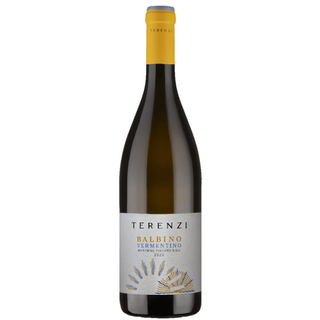
If you choose one bottle, make it Balbino from the Maremma coast of Tuscany. A dry Vermentino white with salinity and citrus, it suits a clear monkfish pot and tomoae alike.
For ankimo, remember the foie gras rule: for the sea's foie gras, a touch of sweetness. It need not be as heavy as a botrytis wine; the gentle sweetness and bubbles of Moscato unwind the richness of ankimo just right.
Monkfish-friendly wines you can drink at Swirl
By dish type, here are the wines available now at Swirl. You can check live stock and price on each product page.
| Type | Wine | Best dishes |
|---|---|---|
| Coastal dry white | Balbino (Vermentino) | Monkfish pot, tomoae |
| Mineral dry white | Farinaldo Soave | Clear pot |
| Aromatic white | Langhe Arneis | Flesh pot |
| Lightly sweet frizzante | Moscato d'Asti | Ankimo |
| Dry sparkling | Prosecco Millesimato Brut | Karaage, ankimo |
| Light red | Morellino, Barbera d'Alba | Miso pot, dobujiru |
How to choose: start from the monkfish dish
If in doubt, work backward from what you are eating.
- Salt or soy monkfish pot, choose Vermentino or Soave, a high-acid mineral white
- Miso pot or dobujiru, choose a light red slightly chilled (Morellino or Barbera)
- Ankimo is the centerpiece, choose Moscato d'Asti or Prosecco Rose; the sea's foie gras wants sweetness and bubbles
- Karaage or fried food, go straight to Prosecco; bubbles cut the oil
- Tomoae, choose Soave or Prosecco; tighten the liver's richness
Serving temperatures: around 8 to 10°C for whites, 6 to 8°C for sparkling, 14 to 16°C for a light red. Monkfish ranges from a young white to a rich liver, so adjusting the temperature by dish makes it all click. For more on winter seafood, see wine with oysters and wine with hot pot.
Frequently asked questions
Q. Is red wine wrong for ankimo?
A. A heavy red is unsuitable. The tannin collides with the fat of the ankimo and turns heavy. Think of it as the sea's foie gras and choose a wine that cuts the fat with acidity or bubbles, such as a lightly sweet frizzante Moscato or a rose sparkling.
Q. What wine suits a monkfish hot pot?
A. For a clear salt or soy pot, a high-acid mineral dry white like Vermentino or Soave. For a miso base or dobujiru, a light red, slightly chilled.
Q. Why sweetness or bubbles for ankimo?
A. Ankimo is as rich in fat as foie gras. Sweetness, or the acidity of bubbles, unwinds that richness and resets the palate. It is the same thinking as the classic foie gras and botrytis wine pairing.
Q. What goes with dobujiru?
A. Dobujiru is a rich pot of miso and liver, so a light red with fruit (Morellino or Barbera), slightly chilled. Choose a light red, not a heavy one.
Q. What is the common mistake?
A. Pairing ankimo with a heavy red because it is rich. The tannin and fat collide. Choose bubbles or a light sweetness and the richness of the ankimo shines instead.
Choose a bottle for each winter monkfish dish. From the flesh pot to the sea's foie gras, do give it a try at the table.
References: monkfish season and Joban mono, the hanging cut and dobujiru (Ibaraki and Oarai tourism material), cacciucco alla livornese and the food culture of the Tuscan coast.

Comments (0)
There are no comments for this article. Be the first one to leave a message!