

The secret to choosing wine for a year-end party is not to rely on a single bottle, but to choose by the scene (the toast, an easy white, the main-course red, and a sweet finish) and by headcount. Bubbles for the toast, an easy white everyone can drink, a red to stand up to hot pot and fried food, and one sweet wine to close. Keep this flow in mind and you will not go wrong, whether it is a big office party, a small gathering at home, or a group that includes people who do not drink much.
I am from Italy, I import Italian wine in Tokyo, and I pour it almost every day. Italy also has a year-end culture of gathering with friends and family around a long table, and the way a single glass connects people feels a lot like a Japanese bonenkai (year-end party). In this guide I will keep it simple for the organizer: how to choose by headcount and budget, with bottles you can actually drink from the Swirl cellar. No special knowledge needed. Read it in order and this year's party wine is settled.
The common mistake: “a big group just needs beer and one bottle of red”
The mistake I hear most from organizers is, “there are a lot of people, so a bit of beer plus one bottle of a heavy red should be enough.” That is a little bit of a missed opportunity. A year-end table runs from hot pot and fried food to pizza, sashimi, a cheese board, and finally dessert, dishes that vary wildly in weight and temperature. One heavy red on its own is too strong for the light starters and the fish, and it does not suit the sweet dessert at all.
The trick is to follow the flow of the food and the evening: start with light bubbles, move to an easy white, then the red, and finish with something sweet. That said, opening many bottles is a lot of work. When that is a concern, one sparkling and one fruity red will cover almost everything, from the toast through fried food, hot pot and pizza. As the group grows, the two things that matter most are that the wine is easy for anyone to drink, and reading how many bottles you will need. Get those two right and the organizer's job becomes much easier.
Choose year-end party wine by “scene and headcount”
Let's follow the flow of the evening. Building the wine list around these four steps makes it much clearer.
The toast
Sparkling. Bubbles and acidity open the evening and suit the first dishes
An easy white
A light white, for people who do not love beer or bubbles. For starters and sashimi
The main red
Red. The workhorse for hot pot, fried food, pizza and grilled dishes
A sweet finish
Sweet. For dessert, and a gentle glass for lighter drinkers
This order is the Italian table itself: a sparkling toast, a white with lighter dishes, a red with the main, and something sweet with dessert at the end. You do not need all four. For a small group, two bottles (bubbles and red) are plenty; for a big group, lean on bubbles and add a few whites and reds. Simply add bottles to match the headcount.
STEP 1: The toast for everyone, with bubbles
A year-end party begins, of course, with a sparkling toast. Sparkling wine, with its fine bubbles and fresh acidity, opens the appetite, so it is perfect at the start. It suits most of the first dishes to arrive: prosciutto, cheese, salad, even fried chicken. The glass looks festive, which lifts the mood for a toast that thanks everyone for the year.
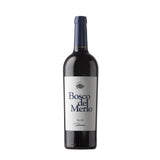
What I most often pour is the dry Prosecco Millesimato Brut. Made by Bosco del Merlo in Veneto (north-east Italy), it is a light sparkling of green apple and white flowers, and it is affordable, so many organizers buy it by the case for a group toast. To make the toast more festive, the pretty pink Prosecco Rose Millesimato is lovely too: it photographs well and makes a year-end gathering feel a little special.
STEP 2: An easy white for a big group
After the toast, once everyone has settled in, having an easy white on hand pleases the people who cannot keep up with beer or bubbles. A good year-end white is one whose aroma and oak are not too assertive, light enough to drink easily when chilled. It also suits lighter dishes such as sashimi, carpaccio, salad, and the dashi-rich simmer of oden.
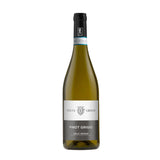
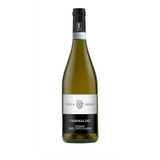
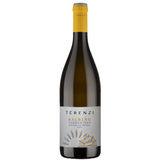
The classics are Veneto's Farinaldo Soave and Pinot Grigio: both are fresh with citrus and herbs, clean and easy for a wide range of people. To add a white with a little more character, the saline, savoury Balbino (Vermentino) from Maremma in Tuscany, or the soft fruit of Sicily's Inzolia, bring variety to the table. Rather than a single white, pouring two for a side-by-side tasting is a conversation starter in itself.
STEP 3: Reds for hot pot, fried food and pizza
The main of a year-end party is usually substantial: hot pot, fried food, pizza, grilled dishes. This is where the red comes in. You can choose from light reds to fruit-forward reds depending on the weight of the food and the tastes around the table. For a big group, a red that is fruit-forward and easy to drink is more welcome than one that is heavy with firm tannin.
Light, even chilled
Barbera from Piedmont / Sangiovese from Tuscany
- Bright fruit, clean acidity, gentle tannin
- For oden, yakitori, tomato-based dishes
Fruit-forward (the star)
Primitivo from Puglia
- Ripe black fruit, round and easy to drink
- For hot pot, fried food, pizza, sweet-savoury dishes
Spicy
Syrah from Veneto
- A black-pepper note and real body
- For grilled meat and richly seasoned dishes
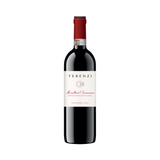
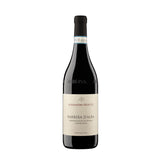
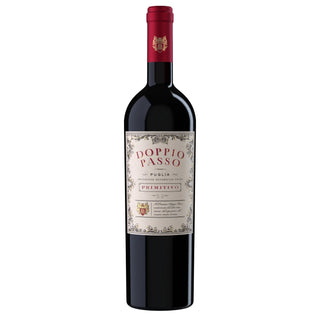
The most reliable red for a year-end party is Puglia's Doppio Passo Primitivo. With the sweet aroma of ripe black fruit and a round mouthfeel, and with restrained tannin, it goes down easily even for people who are not keen on red. It pairs widely with sweet-savoury dishes, pizza and fried food, and it is affordable, so it is easy for an organizer to buy in quantity, an ideal star for a big party. When you want a little more bright acidity, try Maremma's Morellino di Scansano (Sangiovese): its bright cherry fruit tucks neatly alongside roast chicken and tomato dishes. For oden or cooled dishes, Piedmont's Barbera d'Alba is delicious lightly chilled. For grilled meat and bold flavours, the pleasant black-pepper note of Syrah Seduzione works well too.
STEP 4: A sweet finish, and a glass for lighter drinkers
Adding one sweet wine for the close brings the evening together gently. It is easy to overlook, but the rule is to match sweet desserts with a sweet wine. Serve a dry red with cake and the wine turns sour and thin.
The gently sweet, lightly sparkling Doppio Passo Moscato is both a classic partner for dessert and, at around 5 percent alcohol, perfect for lighter drinkers and for that one last glass. Even if some guests are not wine people, a sweet, gently fizzy glass lets them join the toast comfortably. For the organizer, this one bottle is the quiet gesture that makes it “a party everyone can enjoy.”
Enjoying it at a Japanese year-end party (the heart of it)
Here is the real point. A Japanese bonenkai has its own spread that Italy does not: hot pot, fried chicken (karaage), delivery pizza, sashimi, a cheese board. How should wine meet this very Japanese menu?
First, the star of a winter year-end party is hot pot (nabe). The right wine changes with the broth (dashi). For a clean mizutaki or yudofu, choose a light white or sparkling that will not overpower the dashi. For a spicy kimchi nabe, a fruit-forward Primitivo tames the heat. Sweet-savoury sukiyaki loves the same fruit-forward Primitivo. Dashi-based oden welcomes a light white, or a lightly chilled red. For karaage, Prosecco is the standard: its fine bubbles cut the oil in the coating. For richer dishes like delivery pizza or gratin, Primitivo and Morellino reds are dependable. With sashimi and carpaccio, a chilled white or sparkling lifts the delicate flavour of the fish.
| Year-end party staple | Recommended wine | Note |
|---|---|---|
| Mizutaki / yudofu (hot pot) | Soave / Prosecco | A light white and bubbles that will not fight the dashi |
| Kimchi nabe / sukiyaki | Primitivo (fruity red) | Ripe fruit sweetness softens heat and sweet-savoury sauce |
| Karaage / fried food | Prosecco (dry sparkling) | Fine bubbles and acidity cut the oil of the coating |
| Delivery pizza / gratin | Primitivo / Morellino | A fruity red meets the weight of tomato and cheese |
| Sashimi / carpaccio | Pinot Grigio / Prosecco | Chilled white and bubbles lift the delicate fish |
| Oden | Soave / lightly chilled Barbera | A light white for the dashi, or a chilled light red |
| Cheese board | Primitivo / Prosecco | Red for aged cheese, bubbles for fresh |
| Dessert / cake | Moscato (sweet) | Sweet treats want a gently sweet, lightly sparkling wine |
The organizer's biggest question is “how many bottles.” A rough guide is six to seven glasses per bottle. Everyone drinks at the toast, so lean toward more bubbles, then split whites and reds roughly in half.
2 to 3 bottles (1 sparkling, 1 white, 1 red)
4 to 5 bottles (2 sparkling, 1 to 2 white, 2 red)
6 or more, bubbles-heavy (around 3 sparkling, 2 white, 3 red)
One more important thing is temperature. A common failure is serving bubbles or white lukewarm. Chill sparkling to 6 to 8C and white to 8 to 10C in the fridge and their freshness comes alive. Red, on the other hand, can warm up too much in a heated Japanese room, so putting it in the fridge for about 20 minutes to bring it to 16 to 18C makes the fruit stand out cleanly. Even without a wine cellar, this one “fridge adjustment” transforms the same wine. For a potluck year-end party, carry the sparkling and white chilled in a cooler bag and the red gently at room temperature, and the setup on arrival becomes much easier.
The organizer's quick chart: choose by scene and budget
Here are the recommendations by stage of the party, with a price guide. Please check stock and the latest price on each product page.
| Scene | Wine | Type | Price (incl. tax) |
|---|---|---|---|
| Toast | Prosecco Millesimato Brut | Sparkling (dry) | ¥3,300 |
| Toast (festive) | Prosecco Rose Millesimato | Sparkling rose | ¥3,700 |
| Easy white | Pinot Grigio | White (light) | ¥3,700 |
| Easy white | Farinaldo Soave | White (crisp) | ¥3,700 |
| White with character | Balbino (Vermentino) | White (savoury) | ¥4,400 |
| Main red (the star) | Doppio Passo Primitivo | Red (fruit-forward) | ¥2,200 |
| Main red | Morellino di Scansano | Red (light, Sangiovese) | ¥3,850 |
| Red to chill | Barbera d'Alba | Red (light) | ¥4,900 |
| Sweet finish | Doppio Passo Moscato | Sweet, lightly sparkling (low alcohol) | ¥2,200 |
| The organizer's special bottle | Petaluma Gap Pinot Noir | Red (elegant) | ¥7,150 |
Federico's picks: small group, big group, potluck
For the organizer wondering “so what do I actually buy,” here is how to build it by scene.
For a small gathering at home (around 4 people), one sparkling, one fruity red, and one sweet to finish. Toast with Prosecco, pour Primitivo with hot pot and the main dishes, and close with Moscato. That alone makes it feel like a proper party.
For a big group (6 to 10), lean on the toast bubbles and add a few whites and reds. Toast with Prosecco, whites of Pinot Grigio and Soave, reds of Primitivo and Morellino. For a special bottle to thank the organizer, add Petaluma Gap Pinot Noir and the party gains a little sparkle. For a potluck, bringing an easy sparkling and an easy red each avoids overlap, and the affordable, crowd-pleasing Primitivo is the reliable one bottle that is always welcome.
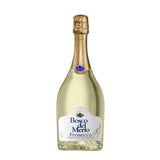
The go-to toast. A dry sparkling that also suits karaage
Prosecco Millesimato Brut 2024Bosco del Merlo
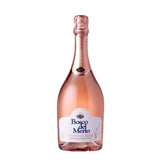
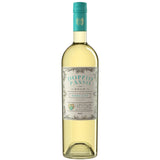
Festive pink bubbles. Makes the toast a little special
Prosecco Rosé Millesimato 2024Bosco del Merlo
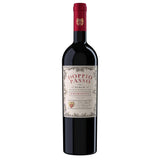
The party star. A fruity red for hot pot, fried food and pizza
Doppio Passo Primitivo 2024Doppio Passo
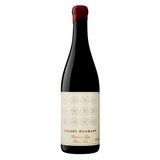
A special bottle to thank the organizer. An elegant red
Petaluma Gap Pinot Noir 2022Crosby Roamann
How to choose: by the scene
When in doubt, work backward from how the evening will go and you will not miss.
- Just want a lively toast to kick things off, chill plenty of Prosecco
- Some guests do not drink much, have the low-alcohol Moscato and an easy Pinot Grigio ready
- Hot pot is the main, match the broth with a light white or a fruity Primitivo
- Lots of karaage and fried food, one chilled Prosecco is foolproof
- Big group on a budget, build around the affordable, easy-drinking Primitivo and Prosecco
- Bringing just one bottle to a potluck, the crowd-pleasing Primitivo is the safe bet
For more on pairing by dish, see Wine with karaage and Food that pairs with sparkling wine, and for the flow of a year-end gathering see Christmas wine, course by course.
Frequently asked questions
Q. How many bottles should I prepare for a year-end party?
A. A rough guide is six to seven glasses per bottle. For 4 people, 2 to 3 bottles; for 6 to 8, 4 to 5; for 10 or more, six or more with extra bubbles. Everyone drinks at the toast, so keeping one extra sparkling on hand is reassuring.
Q. Some guests do not drink much, or hardly at all.
A. A sweet, gently sparkling wine like Doppio Passo Moscato, at around 5 percent alcohol, is ideal. It is easy to drink and lets them join the toast naturally. Having a little easy-drinking Pinot Grigio on hand is a kind touch too.
Q. What wine goes with hot pot?
A. It depends on the broth (dashi). Mizutaki and yudofu suit a light white or sparkling, while kimchi nabe and sweet-savoury sukiyaki go well with a fruit-forward Primitivo. For dashi-based oden, a lightly chilled light red such as Barbera also works nicely.
Q. What is a foolproof bottle to bring to a potluck year-end party?
A. The affordable, easy-for-anyone Doppio Passo Primitivo is the safe bet. It pairs widely with hot pot, fried food and pizza, so one bottle is almost always welcome. If you worry about overlap, split roles with whoever is bringing the toast Prosecco.
Q. What is the most common mistake?
A. Serving bubbles or white lukewarm. Chill sparkling to 6 to 8C and white to 8 to 10C and their freshness comes alive. The other is preparing only one heavy red: a fruit-forward, easy-drinking red is more welcome at a big year-end party.
Year-end party wine does not need to be complicated. Bubbles for the toast, an easy white and a fruity red for the food, and a sweet wine to close. Keep this flow in mind and a table that thanks everyone for the year turns a little more festive. Give it a try at this year's party.
References: for Veneto's ombra (l'ombra) and the giro d'ombre, see Rick Steves, “Crawling Through Venice's Cicchetti Pubs,” and Smithsonian Magazine; for Italy's New Year's Eve (Capodanno) lentils and cotechino / zampone (Modena) as a good-luck custom, see idealista, “Italian New Year's Eve traditions,” and Fine Dining Lovers.

Comments (0)
There are no comments for this article. Be the first one to leave a message!