

Making sparkling wine means taking a finished wine, starting a second fermentation inside it, and trapping the carbon dioxide produced so that it becomes bubbles. Whether that second fermentation happens "in the bottle" or "in a tank" changes everything: the flavor, the fineness of the bubbles, and even the price.
I am Italian, I import Italian sparkling wine in Tokyo, and I pour it almost every day. The question I hear most often is, "What is the difference between Prosecco and Champagne?" Almost the entire answer lives in this difference of method. In this article I will explain, in plain language, how the bubbles are born, the two main methods, the styles that change by region, and which bottles in the Swirl cellar you can actually taste side by side.
A common misconception: sparkling does not mean "made like Champagne"
The most common misconception is that all sparkling wine is made the same way as Champagne. In reality, the world's most popular sparkling wine, Prosecco, along with sweet and light Asti and Moscato d'Asti, and the fizzy red Lambrusco, are all made in a completely different way from Champagne.
Another misconception is a sense of hierarchy: that the bottle method (the way Champagne is made) is the proper, premium one, while the tank method is a cheap, inferior version. This is not true. If you made Prosecco by the Champagne method, you would actually lose its defining charm, those fresh floral and fruity aromas. Method is not about superior and inferior; it is the right tool for the grape and the style you are after. What I often say is, "Champagne is the aroma of bread, Prosecco is the aroma of flowers. Neither is above the other; they simply play different roles."
And sweet versus dry is a separate matter from method. There are dry Proseccos and sweet Astis, and bottle-fermented Champagne ranges from bone dry to sweet. Sweetness is decided by the final adjustment (the dosage) and by the sugar in the grapes.
How the bubbles are born: the basics of second fermentation
Sparkling winemaking starts by making a still "base wine" with no bubbles. Add yeast and sugar to it (in Italian, the liqueur de tirage, a mix of sugar and yeast) and the yeast eats the sugar, producing alcohol and carbon dioxide. This is the second fermentation. In ordinary winemaking the carbon dioxide escapes into the air, but when the second fermentation happens in a sealed vessel, the gas has nowhere to go, dissolves into the wine, and becomes those bubbles.
The amount of fizz is expressed in "atmospheres" (atm). Fully sparkling spumante (English "sparkling") is roughly 3 atmospheres or more, while the gently fizzy frizzante is around 1 to 2.5 atmospheres. Here are a few handy terms to keep in mind.
| Term | What it means (in plain words) |
|---|---|
| Second fermentation | Starting another fermentation in a finished wine to trap carbon dioxide |
| Sur lie (aging on the lees) | Resting the wine with the spent yeast after the second fermentation, which creates bread and brioche aromas |
| Dosage | The amount of sugar added at the end, which sets the dry to sweet level |
| Atmospheres (atm) | The unit for fizz strength. Spumante is about 3 atm or more, frizzante 1 to 2.5 atm |
Where you start this second fermentation is the great fork in the road that decides a sparkling wine's character. Broadly, there are two paths: the "bottle method (metodo classico)," run inside the bottle, and the "tank method (metodo Martinotti)," run inside a large tank. The diagram at the top of this article shows exactly that fork.
The bottle method (metodo classico)
The bottle method means starting the second fermentation inside the very bottle that ships, and aging the wine for a long time on its lees. It is the same way Champagne is made, and in Italy it is called metodo classico (classic method, bottle fermentation). The steps go like this: fill the base wine into a bottle, add sugar and yeast, and seal it. The second fermentation proceeds in the bottle and the bubbles are born. Then it rests with the lees for months or years (sur lie).
The lees formed in the bottle are gathered at the neck, frozen, and removed under pressure (riddling and disgorgement). The method takes effort bottle by bottle, so costs run higher, but the toastiness and the fine bubbles that come from long lees contact are unique to it. Think of it as the type to savor for its slowly built complexity.
The tank method (Martinotti, also called Charmat)
The tank method means running the second fermentation not in the bottle but all at once inside a large pressure-resistant stainless steel tank (an autoclave), then bottling under pressure. Prosecco, Asti, Moscato d'Asti, Lambrusco, and other sparkling wines whose strength is freshness are made this way. The second fermentation takes place in a temperature-controlled tank over a few weeks to one or two months. Without long lees aging, the grape's own floral and fruity aromas land straight in the bottle.
There is a little-known Italian story behind this method. It was devised in 1895 by Federico Martinotti, director of the Royal Enology Experiment Station in Asti, Piedmont, who invented a groundbreaking way to make bubbles inside a tank. Later, around 1907, the French engineer Eugène Charmat improved the equipment so it could be used industrially and took out a patent. That is why it is often called the "Charmat method" abroad, yet in Italy it is still called, with respect, the "metodo Martinotti," and that name appears in the Prosecco regulations. In other words, the easy-to-open bottle of Prosecco in your hand carries an Asti invention more than 120 years old.
One more way: the ancestral method (the cloudy fizz)
I said "two methods," but there is in fact an even older, third way: the ancestral method (metodo ancestrale). Here the wine is bottled while the first fermentation is still underway and sugar remains, and that fermentation finishes inside the bottle. No extra sugar or yeast is added for a second fermentation; it is the simplest, most primitive approach. In recent years it has surged back into fashion under the name "pet-nat."
In Italy, especially on the hills of Valdobbiadene in Veneto, this old-style Prosecco is called "col fondo" (with the sediment), and it is still loved at farmhouse tables. Because it is bottled without removing the lees, it has a faintly cloudy look and a dry, toasty taste. It is the simple, everyday fizz locals knock back between jobs in the fields. The opposite of glamorous Champagne, it is an earthy glass you rarely see in Japan. Understanding method lets you enjoy these "exceptions" too.
Styles that change by region: Franciacorta, Prosecco, Asti
Even within Italy, the method, the grape, and the target flavor differ by region. Let us line up three of the most representative.
| Region | Method | Main grapes | Flavor profile | Pressure guide |
|---|---|---|---|---|
| Franciacorta (Lombardy) | Bottle method (metodo classico) | Chardonnay, Pinot Nero, Pinot Bianco | Fine and creamy, with toasty complexity | About 5 to 6 atm |
| Prosecco (Veneto) | Tank method | Glera | Apple, pear, white flowers, light and approachable | About 3 atm (spumante) |
| Asti / Moscato d'Asti (Piedmont) | Tank method (single fermentation) | Moscato Bianco | Sweet Muscat aromas, gentle sweetness at low alcohol | About 1 to 2.5 atm (frizzante) |
Here is a piece of Italy almost unknown in Japan. Franciacorta has a style called "Satèn" that only this region may name. Registered as a trademark by the producers' consortium, it deliberately holds the pressure in the bottle to about 5 atmospheres (a regular Brut is 5 to 6), and it is made only from white grapes such as Chardonnay and Pinot Bianco. The name comes from the Italian seta (silk), and true to the name the mousse is silky soft and creamy. The idea of deliberately lowering the pressure to create gentleness is a reversal for anyone used to prizing strong fizz, and tasting it on the spot, you are struck by its delicacy. If you visit Franciacorta, please seek a glass of it out.
Sparkling wines you can drink at Swirl: by method
The Swirl cellar is stocked with light, tank-method bubbles. Tasting them while knowing the method makes the aroma differences far clearer. First, here they are at a glance.
| Wine | Method | Type | Dry/Sweet |
|---|---|---|---|
| Prosecco Millesimato Brut | Tank method | White spumante | Dry |
| Prosecco Rosé Millesimato | Tank method | Rosé spumante | Dry |
| Moscato d'Asti (Rivetto) | Tank method (single fermentation) | White frizzante | Sweet |
| Doppio Passo Moscato | Tank method | White frizzante | Off-sweet |
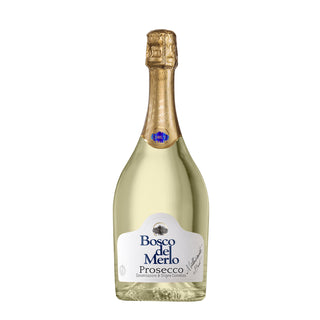
Prosecco, made from the Glera grape by the tank method, is the very picture of a "floral fizz." The one I most often pour for an everyday toast is this Prosecco Millesimato Brut: apple, pear, and white flowers, crisp and dry. For rosé lovers, the same maker's Prosecco Rosé. After a meal or with dessert, the low-alcohol, gently sweet Moscato d'Asti is a lovely match.
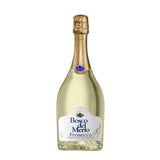
Dry, tank method. Floral and fruity aromas land straight in the bottle
Prosecco Millesimato Brut 2024Bosco del Merlo
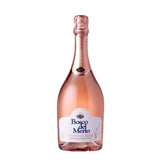
The same tank-method, as a rosé. Festive, great for a toast
Prosecco Rosé Millesimato 2024Bosco del Merlo
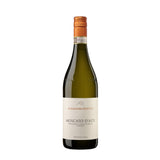
A single fermentation, Muscat aromas, low-alcohol and sweet
Moscato d'Asti 2024Alessandro Rivetto
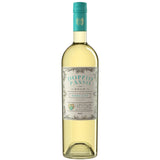
Sicilian Moscato, sweet and gently fizzy (first and exclusive import to Japan)
Doppio Passo Moscato 2024Doppio Passo

2 Prosecco, 2 rosé, 1 Moscato. Perfect for comparing styles
Swirl Party Box, 5 Bottlesswirlwine
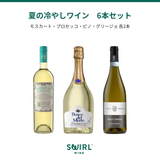
Includes Prosecco, six bottles to serve well chilled
Chilled Summer Wines: 6-Bottle Setswirlwine
Bottle-method Franciacorta, TrentoDOC, and Champagne are not in the Swirl cellar right now, but keep their names in mind for a day when you want toasty complexity. The contrast with tank-method freshness will teach you your own taste.
How to enjoy it in Japan: pairings and temperature by method
Once you understand method, the food pairings come into view too. Fresh tank-method bubbles are superb with fried food, appetizers, and delicate Japanese cuisine. Toasty bottle-method bubbles lean toward richer, more savory dishes and cheese. Here are the combinations I often pour, in a table.
| Type | Dishes it suits | Serving temperature |
|---|---|---|
| Prosecco (dry spumante) | Tempura (with salt), prosciutto, fritto, gyoza, karaage | 6 to 8°C |
| Prosecco Rosé | Salmon, fresh spring rolls, tomato-based appetizers | 6 to 8°C |
| Moscato d'Asti (sweet frizzante) | Fruit, baked sweets, mildly spicy Chinese or ethnic food | 5 to 6°C |
| Bottle method (dry) | Freshly fried seafood, chicken teriyaki, aged cheese | 8 to 10°C |
The most important thing in a Japanese home is temperature. Warm bubbles turn vague in aroma and coarse in fizz. Chill them well in the fridge and take them out just before serving. Sweet Moscato d'Asti is even better lower, at 5 to 6°C, where a crisp chill keeps the sweetness from cloying. A narrow glass with a tapered mouth keeps the aroma and bubbles going longer. For opening tips, see our guide to opening sparkling wine. For a glass in the warmer months, our guide to choosing sparkling wine is worth a look too.
Choosing: this method for this person
Choosing by method gets you to your bottle the fastest. Think of it like this.
- You want a light, approachable fizz for the daily table → tank-method Prosecco
- For a festive toast or celebration → Prosecco Rosé, or the party set for a tasting
- You are not a big drinker and want a sweet fizz for dessert → tank-method Moscato d'Asti (low alcohol)
- You want bready toastiness and fine bubbles to savor → bottle method (Franciacorta, Champagne)
- You like a gentle, lightly fizzy mouthfeel → frizzante. See what frizzante is
If you are unsure about sweetness, start with dry (Brut). It has the widest range with food and carries you from the toast right through the meal in a single bottle.
Frequently asked questions
Q. What is the difference between Prosecco and Champagne?
A. The biggest difference is method. Champagne is bottle-fermented and aged long on the lees, giving bready toastiness and fine bubbles. Prosecco is tank-method, expressing the fresh floral and fruity aromas of the Glera grape. The regions and grapes differ too, so it is best to think of them as different kinds of drink.
Q. Is the tank method lower in quality than the bottle method?
A. No. It is not about superior and inferior but the right tool for the job. Grapes like Prosecco and Asti, whose life is aromatic freshness, show best in the tank method. The bottle method suits sparkling wines meant to be enjoyed for the complexity of lees aging.
Q. Why is Moscato d'Asti so low in alcohol?
A. Because the fermentation is stopped partway, leaving the grape's sugar in the wine. Alcohol is roughly 5 to 6 percent. Sweet and light, it suits those who do not drink much and works as an after-dinner glass.
Q. What is the difference between "spumante" and "frizzante"?
A. It is a difference in fizz strength. Spumante is fully sparkling (about 3 atm or more), frizzante is gently fizzy (about 1 to 2.5 atm). The closures differ too: spumante uses a wired cork, frizzante often a regular cork or crown cap.
Q. What is a common misconception?
A. The belief that all bubbles are made the same way as Champagne. In fact, starting with Prosecco, the world's most popular sparkling wine, many sparkling wines are made by the tank method. Knowing the difference in method shows how much the same "fizz" can differ in aroma and taste.
Next time you open a bottle of bubbles, take a look at the region and the method on the label. The story in your glass will be a little richer for it.
Sources: Decanter, "Charmat method"; Gambero Rosso International, "Everything you need to know about the Italian Method" (2021); Consorzio Franciacorta official materials (Satèn regulations); Michelin Guide, "What is Franciacorta" (2025).

Comments (0)
There are no comments for this article. Be the first one to leave a message!