

"Impossible" — on May 24, 1976, the French judges at a Paris tasting could not believe their results. In a blind tasting known as the Judgment of Paris, the top wines in both red and white categories came not from France's storied châteaux but from California. The white winner: Château Montelena Chardonnay from Napa Valley. The red winner: Stag's Leap Wine Cellars Cabernet Sauvignon, also Napa. From that moment, the world's wine map was redrawn.
What Is California Wine?
California wine refers to wine produced in the US state of California, which accounts for roughly 90% of all American wine production — making "American wine" virtually synonymous with "California wine." The combination of cold Pacific ocean fog and over 300 days of sunshine per year creates ideal growing conditions.
Key AVAs (American Viticultural Areas)
When a label shows an AVA name, at least 85% of the grapes must come from that region. The most important AVAs include:
- Napa Valley: California's prestige address and spiritual home of Cabernet Sauvignon. Sub-AVAs include Oakville, Rutherford, and Stags Leap District.
- Sonoma: Napa's neighbor to the west. Known for Pinot Noir (Russian River Valley), Chardonnay, and Zinfandel, with an artisan-producer spirit.
- Paso Robles: Central Coast powerhouse. Excels at Zinfandel and Rhône varieties; excellent value.
- Santa Barbara: Cool maritime climate producing elegant Pinot Noir and Chardonnay.
Flavor Profile of California Wines
California wines lead with ripe, generous fruit. Warm, sun-drenched growing conditions produce wines with full body and slightly elevated alcohol (13.5–15%). Compared to European wines, varietal fruit character is front and center — approachable and expressive from the first sip.
| Varietal / Type | Key Flavors | Serving Temp | Food Pairings |
|---|---|---|---|
| Cabernet Sauvignon (red, dry) | Blackcurrant, plum, vanilla, firm tannins | 16–18°C | Steak, lamb, aged cheese |
| Chardonnay (white, dry) | Tropical fruit, butter, vanilla, creamy | 10–12°C | Lobster, chicken, cream pasta |
| Pinot Noir (red, dry) | Cherry, raspberry, silky texture | 14–16°C | Salmon, duck, mushroom dishes |
| Zinfandel (red, dry) | Jammy fruit, spice, high alcohol | 16–18°C | BBQ, braised pork, spicy food |
| Sauvignon Blanc (white, dry) | Grapefruit, lime, crisp acidity | 8–10°C | Salads, seafood, goat cheese |
Regional Styles: The Revolution the Judgment of Paris Sparked
The 1976 Judgment of Paris changed wine history. Organized by wine merchant Steven Spurrier, the blind tasting placed California bottles alongside premier French wines. When a Napa Chardonnay and a Napa Cabernet took top honors in their respective categories, the global wine establishment was stunned. California producers responded by raising quality even further — today their wines grace the lists of the world's finest restaurants.
Style varies greatly by region. Napa Cabernet is powerful and structured, with vanilla and cedar from oak aging. Sonoma Pinot Noir is more elegant and nuanced, with delicate red fruit. Paso Robles Zinfandel and Syrah deliver concentrated, ripe fruit with a spicy edge.
Enjoying California Wine in Japan
California wines complement the Japanese table naturally. Full-bodied reds (Cabernet, Zinfandel) shine with yakiniku (grilled meat) or hamburger steak — the wine's generous fruit harmonizes with bold, savory sauces. Chardonnay pairs beautifully with cream-based pasta or butter-sautéed white fish. Pinot Noir works with grilled salmon, duck, or teriyaki chicken.
Temperature tip for Japan's warm summers: chill California reds in the refrigerator for 15–20 minutes before serving. Serving at 16–18°C (rather than room temperature) softens the tannins considerably.
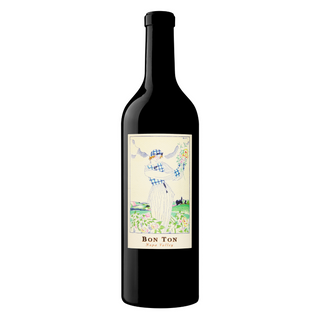
Federico's Pick: Napa Valley Bon Ton Red
Whether you're new to California wine or already a fan, this is the bottle I recommend with full confidence: Crosby Roamann Napa Valley Bon Ton Red 2022.
"Bon Ton" means "good form" in French — fitting for a wine of this refinement. A blend of Merlot, Cabernet Sauvignon, Syrah, and Petit Verdot grown in Napa Valley, it delivers red fruit, elegant oak, and smooth tannins in perfect balance. One sip explains why Napa is Napa. Equally at home at a weeknight dinner or a special occasion.
How to Choose a California Wine
Three things to check on the label: AVA (region), varietal, and producer. A more specific AVA designation usually signals more terroir-expressive wine. Budget guide: ¥3,000–4,000 for everyday drinking; ¥5,000–8,000 for gift-worthy Napa/Sonoma bottles; ¥10,000+ for prestige estates.
FAQ
Why is California wine expensive?
Land prices and labor costs in top regions like Napa Valley run significantly higher than in most European wine regions. Premium French oak barrels, low-yield farming, and extended aging add further cost. Mid-range California wines, however, offer excellent value for everyday drinking.
What is the difference between California and French wine?
Primarily style. French wines foreground terroir — minerality, complexity, and subtlety. California wines lead with varietal fruit character and immediate, generous appeal. The 1976 Judgment of Paris proved both can reach world-class heights. Choose based on occasion and food.
What food pairs well with California wine?
Full-bodied reds (Cabernet, Zinfandel) with steak, grilled meats, and burgers. Pinot Noir with salmon, duck, and chicken. Chardonnay with cream pasta, gratins, or butter-sautéed shrimp and scallops. Nuts and cheddar cheese make great snack pairings.


Comments (0)
There are no comments for this article. Be the first one to leave a message!