

In the 1950s, a winemaker in the Veneto forgot about a batch of Recioto — the region's traditional sweet wine made from dried grapes. By the time he remembered it, fermentation had consumed all the sugar, leaving behind an unexpectedly dry, powerful wine. He tasted it, and instead of disaster, he found brilliance. That wine, named "Amarone" (from "amaro" — bitter, dry), was born from a mistake and became one of Italy's most celebrated reds.
What Is Veneto Wine?
Veneto is a wine region in northeastern Italy, with Venice as its regional capital, and it is Italy's single largest wine-producing region by volume. It is home to some of the world's best-known Italian wines: Prosecco, Soave, Valpolicella, Amarone, and Bardolino. The warm Adriatic climate combined with gentle Alpine foothills creates ideal conditions for an extraordinary range of styles.
Flavor Profile
The defining feature of Veneto wine is its stylistic breadth. From the fresh, light sparkle of Prosecco to the deeply concentrated, age-worthy power of Amarone, this single region produces wines that seem worlds apart. Whites tend toward freshness and minerality; reds center on cherry and plum fruit, varying widely with grape variety and winemaking method.
| Wine Type | Key Flavors | Serving Temp | Food Pairings |
|---|---|---|---|
| Prosecco (sparkling, dry to off-dry) | Green apple, white peach, lively bubbles | 6–8°C | Aperitivo, prosciutto, light appetizers |
| Soave (white, dry) | Lemon, white flowers, mineral | 8–10°C | Seafood, carpaccio, white fish |
| Valpolicella (red, dry) | Cherry, spice, light tannins | 14–16°C | Pasta, pizza, chicken dishes |
| Amarone (red, dry, full-bodied) | Dried fruit, chocolate, tobacco | 16–18°C | Beef steak, game, aged cheese |
| Bardolino (red/rosé, dry) | Raspberry, fresh, light | 12–14°C | Grilled seafood, salumi, light meat |
The Five Essential Veneto Wines
To understand Veneto, you need to know at least five wines.
Prosecco, centered on Conegliano and Valdobbiadene, is Italy's quintessential aperitivo sparkling wine. Made from 100% Glera grapes, it delivers green apple and white peach in a fresh, lively bubble. It's less complex than Champagne but far more accessible, and that's exactly the point.
Soave is a white wine from limestone hills east of Verona, built primarily on the Garganega grape. It shows elegant lemon and white flower aromas with a distinctive bitter mineral finish. It is the classic pairing for Veneto's traditional dish of baccalà mantecato (creamed salt cod).
Valpolicella is a lighter red wine from the hills northwest of Verona, built on Corvina. Bright cherry, moderate tannins, and everyday approachability define it. The same hillside grapes, dried for months, become something else entirely: Amarone.
Amarone della Valpolicella is made by drying harvested grapes for 3–4 months, then fermenting the concentrated must to complete dryness. The result is a wine that can reach 17% alcohol and deepens with years — sometimes decades — of aging. The 1950s accidental fermentation that created it is now Italy's greatest winemaking legend.
Bardolino, from the eastern shore of Lake Garda, is a light, affordable red and rosé. Chill it slightly and drink it al fresco on a summer evening.
Enjoying Veneto Wine in Japan
Prosecco slots naturally into Japanese food culture. Chilled before a meal with prosciutto or edamame, it captures the Italian aperitivo spirit perfectly. Soave pairs beautifully with sushi and sashimi — the mineral quality of the wine mirrors the delicate umami of the fish. Valpolicella is an easy companion for pizza or pasta, while Amarone is best saved for a special evening with a well-marbled sirloin or aged cheese.
Federico's Pick: Prosecco Millesimato
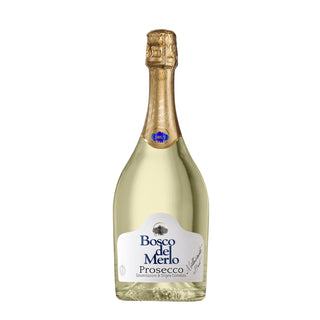
As your entry point to Veneto wine, I recommend one bottle with full confidence: Bos Prosecco Millesimato Brut 2024.
"Millesimato" means vintage-dated — all grapes from a single specified year, a mark of quality commitment. Most Prosecco blends multiple harvests; this bottle is 100% 2024. Green apple and white peach fill the glass, with a gentle mineral finish. Works as an aperitivo, a toast, or a food-pairing wine throughout the meal.
How to Choose a Veneto Wine
Three things to check: sub-region name (the DOCG or DOC designation), grape variety, and style (Millesimato, Ripasso, Amarone, etc.). For Prosecco, "Conegliano Valdobbiadene DOCG" on the label is a quality assurance marker. Budget guide: ¥2,000–4,000 for Prosecco; ¥3,000–5,000 for Soave and Valpolicella; ¥5,000+ for Amarone, with top producers reaching ¥15,000 or more.
FAQ
What is the difference between Prosecco and Champagne?
Primarily method and price. Champagne undergoes secondary fermentation in the bottle (méthode champenoise), creating depth and complexity at high cost. Prosecco uses the Charmat method (tank secondary fermentation), preserving fresh fruit character at a friendlier price. Think: Champagne for rare occasions, Prosecco for everyday toasts.
Why is Amarone expensive?
Drying the grapes for 3–4 months causes roughly 30–40% water loss, meaning you need 1.5–2x more fruit to make the same volume of wine. Add years of barrel and bottle aging, and the cost climbs significantly. The upside: a well-made Amarone can age for a decade or more, making it a long investment.
What food pairs well with Veneto wine?
Veneto's range means there is a wine for every dish. Pizza, pasta, risotto — Valpolicella or Soave handles them all. Japanese food works too: Prosecco with sashimi, Soave with grilled white fish, Valpolicella with sukiyaki. The common thread is that Veneto wines share an inherent generosity that makes them forgiving with food.


Comments (0)
There are no comments for this article. Be the first one to leave a message!