

When people think of Italian wine, Tuscany is almost always the first region that comes to mind. Powerful Sangiovese, olive groves climbing the hillsides, ancient vineyard estates — Tuscany is where wine and culture are most deeply intertwined.
Yet "Tuscany wine" covers an enormous spectrum: Chianti, Brunello, Super Tuscans, Morellino. The differences can be confusing. This guide breaks down the regions, grapes, and terroir so you can choose with confidence.
What Is Tuscany Wine? The Birthplace of the World's First Appellation
Tuscany sits in central Italy, a region of rolling hills facing the Tyrrhenian Sea. The ancient Etruscans (the people the Romans called "Tusci") cultivated grapes here before recorded history, making it one of the world's oldest wine cultures.
One historical fact stands out: in 1716, Grand Duke Cosimo III de' Medici issued an official edict defining the boundaries of four wine zones — including Chianti — making it one of the world's first formal appellation regulations, more than 200 years before France's AOC system.
Common Misconception: Tuscany Is Not Just Chianti
Many people assume Tuscany means Chianti, but Tuscany actually holds 11 DOCG designations. Here are the key ones:
- Chianti: A broad DOCG covering central Tuscany. Sangiovese-based, approachable for everyday drinking.
- Chianti Classico: The historic heartland between Florence and Siena. Gran Selezione is the top tier.
- Brunello di Montalcino: 100% Sangiovese, minimum 5 years aging, Italy's most prestigious red.
- Morellino di Scansano: Coastal Maremma district. Warm climate gives Sangiovese rich, concentrated fruit.
- Super Tuscans (IGT): Prestige blends using Cabernet and Merlot outside DOC rules. Quality and price drive their reputation.
Key Grapes and Taste Profiles
| Grape | Style | Key Aromas | Palate Character |
|---|---|---|---|
| Sangiovese | Medium to full-bodied red | Cherry, violet, dried herbs, leather | High acid, medium-high tannin, lingering finish |
| Vernaccia | Dry white | White peach, almond, mineral | Crisp acid, pleasantly bitter finish |
| Cabernet Sauvignon | Full-bodied red | Cassis, cedar, black pepper | Powerful and concentrated, oak-derived spice |
| Merlot | Medium to full-bodied red | Plum, chocolate, blueberry | Soft tannins, round mouthfeel |
Regional Style Guide: Which Tuscany Should You Choose?
Chianti Classico (Florence to Siena): Cool hillsides at 300-600m elevation. Firm acid and structure, age-worthy. Outstanding food pairing versatility.
Morellino di Scansano (Maremma): Warm, dry coastal climate. Same Sangiovese grape but fruit-forward — enjoyable young. Exceptional value.
Bolgheri (coastal): Super Tuscan heartland. Sea breezes preserve freshness and acid. Cabernet varieties shine here.
Brunello di Montalcino (south): Tuscany's most majestic red. Great vintages age for decades.
Vernaccia di San Gimignano (hill town): Italy's first DOC white wine (1966). Beautiful mineral-acid balance, versatile from appetizers to fish.
Japanese Food Pairing: Washoku Meets Tuscany
Tuscany's defining strengths are high acidity and tannic backbone — both resonate brilliantly with the umami-forward elements of Japanese cuisine.
Morellino di Scansano especially shines with dashi-based braise dishes: nikujaga, sukiyaki, and chicken teriyaki. Grilled chicken (salt or teriyaki), beef stew, and roast chicken are natural matches.
For white, Vernaccia is a perfect match for sashimi and salt-grilled white fish. Its crisp acid cuts cleanly through the oils of the fish.
Federico's Recommendation: Morellino di Scansano
My top recommendation for an introduction to Tuscany is the Maremma's Sangiovese — Morellino di Scansano.
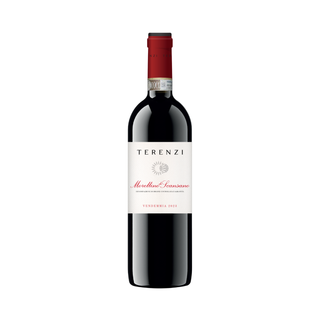
Without the formality of Brunello or premium Chianti, it captures the essence of Tuscany (cherry, violet, a whisper of earth) with genuine clarity. Terenzi's Morellino is 100% Sangiovese from Maremma's sun-drenched vineyards — fresh enough to drink now, fascinating when decanted.
How to Choose and Serve: Practical Guide
- Daily drinking (up to ¥4,000): Morellino di Scansano, standard Chianti
- Weekend bottle (¥4,000-8,000): Chianti Classico Riserva, entry-level Super Tuscan
- Special occasions (¥8,000+): Brunello di Montalcino, premium Super Tuscan
Serving temperature: Sangiovese-based wines ideal at 16-18℃. Take from the fridge and leave at room temperature for about an hour.
Glass: Bordeaux-style (large bowl) recommended. It handles tannin and acid balance well.
Decanting: Young Riserva or full-bodied examples change dramatically in 30-60 minutes. Standard Morellino needs only about 15 minutes.
FAQ
Q: What's the difference between Chianti and Chianti Classico?
A: The growing zone. Chianti is a broad DOCG. Classico is the historic heartland — more concentration and complexity.
Q: Why are Super Tuscans expensive if they're only IGT?
A: Cabernet and Merlot don't qualify under Tuscan DOC rules, so they're classified IGT. Quality and market reputation set the price.
Q: What's the best Tuscan white?
A: Vernaccia di San Gimignano — Italy's first DOC white wine (1966), known for mineral character and clean acid.
Q: Should I drink Tuscany wine young or age it?
A: Depends on the style. Morellino and standard Chianti are best 2-5 years from purchase. Riserva and Brunello can age 10+ years.
Tuscany may seem intimidating, but it's one of the most accessible wine regions in the world. Start with one bottle of Morellino di Scansano and discover the depth for yourself.


Comments (0)
There are no comments for this article. Be the first one to leave a message!