

For a year-end or New-Year party, one medium-bodied red (soft, neither sweet nor tannic), one dry sparkling, and one light white will cover a crowd with very different tastes. That is what I (Federico) have found pouring wine at gatherings all over Tokyo every December. In this guide I walk through the staple party dishes, from karaage and hot pot to cheese and the final dessert, and explain what to pour and why, dish by dish. Bringing one expensive bottle is far less welcome than bringing a few bottles that each play a role.
How do you choose wine for a year-end or New-Year party?
Choose by the range of food and by drinkability, not by price. At a large gathering, people who know wine and people who do not sit at the same table. So instead of one bold, high-end bottle, the safest choice is to cover a soft medium red, a dry sparkling, and a light white, one of each.
There are three simple criteria. First, gentle tannin (tannin is the drying grip in your mouth). A very tannic red limits your food choices and feels heavy to people who do not usually drink wine. Second, it should serve well chilled. Sparkling and white, of course, but a medium red is also easier to drink at a crowded table with a slight chill. Third, it should stand up to oil and strong flavors. Izakaya-style food is rich and often oily, so look for bottles with clear acidity (the element that refreshes the palate) and generous fruit. The two classics that meet all three are Primitivo from southern Italy (fruit-forward, gently tannic) and Sangiovese from Tuscany (bright acidity that flatters food). Both are affordable and easy to drink, and they go surprisingly well with the Japanese-leaning izakaya spread, so either is a safe first red for the party.
Why is sparkling the safe choice for the toast?
For a group toast, starting with a dry Prosecco (Italy's dry sparkling) is the safest and most festive move. Bubbles look special, the alcohol is light for a wine, and as a before-the-meal glass it suits every palate.
Prosecco is lighter and friendlier on price than Champagne, with aromas of apple and white flowers, and it never clashes with whatever the first dish happens to be. A pink sparkling (Prosecco Rose) brightens the room even more and suits a lively New-Year party. If many guests prefer something sweet, keep a Moscato-style frizzante (a soft, gentle fizz) on hand as well, and the lighter drinkers will thank you. Chill the toasting bubbles well (6 to 8 degrees is the target), and open them right before the toast so they are easy to pour around.
Another reason to lead with bubbles is that a glass stretches further when they are short. If the opening toast is sparkling, you can give that glass a quick rinse and move on to white or red. When the toast risks scattering across a big group, do not pour one bottle out in a single go; pour in two half-rounds so everyone's glass has bubbles and the toast lands together. Carbonation fades over time, so open only as many bottles as you expect to finish.
What wine pairs with each dish? (karaage, hot pot, cheese, pizza, dessert)
Bubbles for fried food, a light white for hot pot, a medium red for meat and cheese: remember that division of labor and you can handle almost any year-end or New-Year dish. Here are the pairings I have actually poured and seen go over well, dish by dish.
Karaage and fried food: bubbles or a light white
For oily fried food, the fine prickle of bubbles or the acidity of a white is ideal. The carbonation and acid rinse the fat from your mouth so the next bite feels light again. From karaage and fries to spring rolls and tempura, pair with Prosecco or Pinot Grigio (a brisk, clean white) and you cannot go wrong. If the dish calls for a squeeze of lemon, the white's acidity connects naturally.
Hot pot: switch between white and red by the richness of the broth
For nabe, the broth decides the wine. For a delicate broth like mizutaki or yudofu, reach for a light white such as Soave (a soft northern-Italian white) or Pinot Grigio. For richer styles such as miso nabe, kimchi nabe, or sukiyaki, a fruit-forward Primitivo served lightly chilled (15 to 16 degrees) is a surprisingly good companion. A handy rule: ponzu's acidity loves white, and the richness of sesame sauce loves red.
Cheese, prosciutto, and pizza: a medium red
For an antipasto spread (cheese, prosciutto, salami, pizza), a soft medium red is the most broadly flattering choice. Primitivo's ripe fruit wraps around the salt of cured ham and the richness of cheese, while Sangiovese (Morellino) cuts cleanly through tomato-sauce pizza and the fat of salami. A light red like Terenzi's Balbino slips down easily even for guests who are not confident wine drinkers.
Meat mains: a fruit-forward red
For mains like roast chicken, steak, and braises, pour a red with fruit and moderate body. Primitivo suits the sweetness of chicken and pork; Sangiovese suits beef and tomato braises. Serving a richer red slightly chilled keeps it from feeling heavy in a heated room, so you can enjoy it to the last glass.
The finish and dessert: a sweet frizzante
For the final dessert, fruit, or panettone (Italy's end-of-year sweet bread), a sweet Moscato is perfect. Its gentle sweetness and low alcohol feel light even on a full stomach, so you close on a smile. Even at a table that is lukewarm on sweet things, passing around a small pour as a digestif is welcome. It also pairs well with chocolate or nut sweets and with fruit like mandarins and strawberries, the sweetness never clashing as the fruit aromas layer gently. At around 5 to 7 percent alcohol, it also makes a nice light glass for a breather before the after-party.
| Dish | Recommended type | Why it works |
|---|---|---|
| Karaage and fried food | Dry sparkling / light white | Bubbles and acidity rinse the oil and refresh the palate |
| Mizutaki, yudofu | Light white (Soave, Pinot Grigio) | Delicate enough not to overwhelm a light broth |
| Miso nabe, kimchi nabe, sukiyaki | Medium red, lightly chilled | Fruit wraps around rich flavor and depth |
| Cheese, prosciutto, salami | Medium red (Primitivo) | Ripe fruit embraces the salt and fat |
| Tomato-sauce pizza and pasta | Sangiovese red | Bright acidity harmonizes with the tomato's acidity |
| Meat mains (chicken, pork, beef) | Fruit-forward red | Catches the sweetness and depth of the meat |
| Finish, dessert, panettone | Sweet Moscato (frizzante) | Gentle sweetness and low alcohol close things lightly |
Following a year-end party as a flow: the order to pour
How many bottles are enough? What are the potluck manners?
As a rule of thumb, allow one bottle per four adults when food is the focus, or one per three when wine is the star. For an eight-person year-end party, one sparkling for the toast, one white, and two reds (four bottles) will cover a full round, and adding one spare in case the conversation runs long is reassuring.
For a potluck, decide roles in advance ("I will bring the red") to avoid duplicates. If you bring a single bottle as a gift, handing it over boxed or in a paper bag is the polite touch. When you do not know the recipient's taste, an easy-to-drink Primitivo or a Prosecco with a sense of occasion is a safe bet. If the venue is a restaurant and you are bringing your own, a corkage fee often applies, so check in advance.
To avoid scrambling on the day, work backward on chilling time too. Sparkling and white need three to four hours in the fridge; in a hurry, 15 to 20 minutes in a bucket of ice and water with a pinch of salt brings them to temperature. Red left at room temperature warms up in a heated winter room, so put it in the fridge 30 minutes before the party and it settles to just the right drinking temperature. A corkscrew (waiter's friend), a sparkling stopper, and a few more glasses than there are guests will keep things flowing.
Are expensive wines the most appreciated? (a common misconception)
What is truly appreciated at a year-end party is not the price but "a bottle that suits the food and that everyone finds easy to drink." A pricey, strongly tannic wine can be wonderful when you sit quietly with it, but at an oily izakaya spread or a lively crowd, it never shows its best.
In fact, an affordable red with generous fruit and gentle tannin flatters karaage, pizza, and hot pot alike, and keeps the whole table smiling. Rather than spending your budget on one bottle, splitting it across a few bottles with different roles delivers far more satisfaction for the same money. A "good wine" is simply the one that gets along best with the moment.
Another common assumption is that "a heavy red looks more impressive." In reality, a full-bodied red with strong tannin tires people out partway through the meal, and glasses stop moving. The longer the gathering, the more a light, easy-drinking red actually gets poured and the more the conversation flows. Choose by whether you can keep enjoying it to the last glass, rather than by heavy looks, and you will almost never go wrong.
What do Italians drink for New Year's Eve?
In Italy, on New Year's Eve people eat cotechino (a pork sausage) or zampone together with lentils (lenticchie) at midnight, wishing for a rich year ahead. Because the little lentils resemble coins, the more you eat the more money you are said to attract, a good-luck custom beloved across Italy. It is little known in Japan, but just like toshikoshi soba or kazunoko, Italy too has a culture of placing wishes in food.
In Lombardy, the region around my home city of Milan, the customary midnight toast is with Franciacorta (Lombardy's flagship bottle-fermented sparkling, made in the same method as Champagne). This habit of celebrating the close and the start of a year with bubbles translates directly to choosing wine for a Japanese year-end or New-Year party. For a rich dish like braised lentils to finish, a medium red; for the midnight toast, a dry sparkling. The pairings Italian families have repeated for generations become a ready guide for the Japanese end-of-year table.
What does Swirl recommend for a year-end or New-Year party?
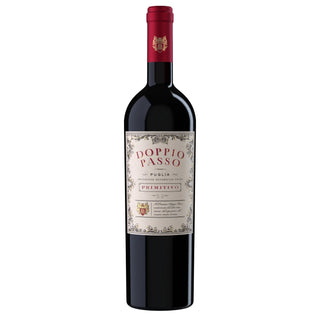
If you are unsure, the bottle I most often pour is Doppio Passo Primitivo. Fruit-forward with gentle tannin, it flatters everything from karaage to cheese and rich hot pot, is easy to drink even for those who do not love wine, and is truly a bottle made for a crowd. Swirl was the first to import this producer exclusively to Japan, and the price is friendly, so it suits a party where you need several bottles.
If you prefer Sangiovese's bright acidity, go for Tuscany's Morellino di Scansano. For the toast, a dry Prosecco; for a more festive table, Prosecco Rose. For whites, Pinot Grigio or Farinaldo Soave suit hot pot and fried food. For the finish, a sweet Moscato. The table below sums up each role.
| Scene / role | Choose at Swirl | Type | In a word |
|---|---|---|---|
| Toast bubbles | Prosecco Millesimato Brut | Dry sparkling | The classic first glass |
| Festive toast | Prosecco Rose Millesimato | Dry rose sparkling | Brightens a large table |
| Fried food, light hot pot | Pinot Grigio / Farinaldo Soave | Light white | Refreshes oil and broth |
| Cheese, meat, rich hot pot | Doppio Passo Primitivo | Medium red | The default choice |
| Pizza, tomato dishes | Morellino di Scansano | Sangiovese red | Bright acidity, light finish |
| Approachable red | Balbino | Light red | For wine beginners too |
| Finish, dessert | Doppio Passo Moscato / Moscato d'Asti | Sweet frizzante | Low alcohol, light close |
FAQ
Q. What budget per bottle should I aim for at a year-end party?
A. Several bottles in the 1,500 to 3,000 yen range give the best balance of food pairing and overall satisfaction. Rather than bringing one high-end bottle, lining up three or four in this range by role is more welcome for a crowd.
Q. What ratio of red, white, and sparkling should I prepare?
A. One sparkling to one white to two reds is the baseline ratio for an izakaya-heavy year-end party. If many guests like sweet wine, add one sweet frizzante for the finish so drinkers stay engaged to the end.
Q. What should I do when some guests are light drinkers or do not drink?
A. Set out one low-alcohol sweet Moscato (around 5 to 7 percent) so even a small pour is enjoyable and fits in. Prepare non-alcoholic soda or juice separately so everyone can toast with the same glass, and no one feels left out.
Q. Should red wine not be chilled? (a common misconception)
A. In a heated room, even a medium red is more drinkable chilled to 15 to 16 degrees. Served at "room temperature," it warms up too much in a Japanese winter interior and the tannin and alcohol come on strong.
Q. Can I take unfinished wine home and store it?
A. Close the cork or cap firmly and store it upright in the fridge, and it will drink well for two to three days. For sparkling, a dedicated stopper keeps the fizz longer, so you can use it in the next day's cooking too.
A year-end or New-Year gathering is a perfect moment for wine to carry the conversation. Prepare a few bottles with different roles, and here is to a happy close to the year. Cheers.
References: the New Year's Eve cotechino-and-lentils good-luck custom (The Local Italy, Grana Padano, Fine Dining Lovers); the Franciacorta method (Consorzio Franciacorta). Stock confirmed against StockMart (sellable bottles) as of 30 October 2026.

Comments (0)
There are no comments for this article. Be the first one to leave a message!