

Old World and New World wine are two worlds defined less by where the vineyard sits than by the philosophy of how the wine is made. The historic producing regions centred on Europe are the Old World, while regions where European vines were carried and developed after the Age of Exploration, the United States, Australia, New Zealand, Chile and more, are the New World. Importing Italian wine in Tokyo and pouring it in restaurants, I get asked almost every week: "So what actually makes New World different?" This guide sorts it out not from the map, but from taste and mindset, all the way through to choosing your bottle.
Old vs New World at a glance
There is no need to overthink it. Remember it roughly as "the Old World mirrors the land (terroir) through tradition; the New World pushes fruit and the maker's personality through freedom," and your first read of a label becomes much clearer. Start with the whole picture in one image.
Old World (e.g. Italy, France)
- Labels tend to name the place (e.g. Soave, Chianti)
- Cooler climates, so acidity stays fresh
- Restrained fruit; earth, herbs, minerality
- Moderate alcohol (around 12 to 14%)
- Bound by traditional classifications (DOCG, DOC, AOC)
New World (e.g. California, Australia)
- Labels tend to name the grape (e.g. Chardonnay, Pinot Noir)
- Warmer regions, so fruit ripens fully
- Generous fruit; vanilla oak notes show easily
- Alcohol runs higher (over 14% is not rare)
- Looser rules, so makers are free to experiment
Of course these are tendencies, not absolutes. There are cool New World regions, and fruit-rich Old World wines. That is exactly what makes it interesting, which is the single thing I most want this guide to convey.
The common myth: New World means cheap and broad, Old World means fine?
"New World is cheap and bold, Old World is refined and expensive" is the most common misconception. Even pouring wine by the glass in restaurants, plenty of guests still shy away from California because of this assumption. In reality, some of the most expensive wines in the world come from Napa Valley in California, while Italy overflows with wonderful value wines that carry the everyday table.
What sets price and quality is not "Old World or New World" but the rank of the vineyard, yields, the labour of winemaking, and supply and demand. Napa, for example, has rare "cult wines" that run into hundreds of dollars a bottle, while Puglia has value stars under 3,000 yen that power the daily table. Keep in a corner of your mind that the world divide is a hint about the direction of flavour, not a ranking of quality or price. My suggestion: taste the same grape once from each world, side by side. Your assumptions loosen, and your own taste comes into focus.
Taste and winemaking differences (comparison table)
Here are the differences you actually sense, item by item. Use it as a cheat sheet to put your "somehow" into words when you choose.
| Element | Old World tendency | New World tendency |
|---|---|---|
| Fruit | Restrained, taut impression | Generous, ripe fruit up front |
| Acidity | Higher, sits beside food | Medium, feels rounder |
| Tannin | Builds structure, a touch firm | Ripe and round, feels smooth |
| Aroma | Earth, herbs, minerals, flowers | Ripe fruit, vanilla, sweet spice |
| Alcohol | Mostly 12 to 14% | Over 14% is not unusual |
| Label | Place name leads | Grape name leads |
| Serving temp (red) | 16 to 18C | 16 to 18C (a little cooler is good too) |
One note here. The "Old World names the place, New World names the grape" split grew out of the Old World's long history of classification. For more, see Italian wine classifications (DOCG, DOC, IGT) and How to read a wine label.
Style changes with place: one grape, two worlds
The most fascinating crossing point of New and Old World is the fact that the same grape grows in both. Its symbol is Primitivo, the flagship grape of Puglia that we import into Japan first and exclusively. DNA analysis has confirmed that Primitivo, California's Zinfandel and Croatia's Tribidrag (also called Crljenak Kastelanski) are all the same variety. So the same genetic grape becomes a powerful, concentrated "Primitivo" in Old World Puglia and a cheerful, jammy "Zinfandel" in New World California. Change the world, and even the same grape changes its face this much. Incidentally, the term "New World" itself comes from the late-15th-century Age of Exploration, when European vines (Vitis vinifera) crossed to the new continents and took root over several centuries. Against the Old World's millennia of accumulation, the New World is a relatively young frontier, which is why free, rule-light winemaking tends to emerge there.
The thinking diverges in the cellar too. The Old World values traditions that quietly mirror the land, such as whole-cluster fermentation (fermenting with the stems to add aromatic complexity) and long ageing in large casks. The New World is good at reaching for new small barrels (barriques) to wrap the wine in vanilla and sweet toast, and pushing the depth of fully ripe fruit to the front. It is not that one is superior; it clicks into place when you think of it as "does the land speak, or does the maker speak?" Closures show each world's character too. The pragmatic New World, Australia and New Zealand especially, adopted the screwcap early and widely, prioritising the practical gains of avoiding cork taint and keeping freshness. The Old World has tended to keep cork by tradition, and here too you glimpse the two worlds' temperaments: innovation, or continuity.
| World | Example region | Climate and style |
|---|---|---|
| Old World | Puglia (southern Italy) | Warm and sun-rich. Southern Italy is an exceptionally fruit-rich style within the Old World |
| Old World | Tuscany, Veneto | Cool to moderate. Acidity and minerality, reds and whites that lift a meal |
| New World | Napa Valley (California) | Warm. Concentrated fruit and a full mouthfeel |
| New World | Sonoma / Petaluma Gap | Cooled by Pacific fog. Elegant, delicate Pinot Noir even in the New World |
The feel of a region seeps into how people drink there. In the Old World, in Puglia for example, the culture of "vino sfuso" (wine sold by measure) is still alive. You bring a plastic bottle or a big demijohn to the local cooperative winery (cantina sociale) and have it poured from the tank, however much you want, as the everyday table wine. Wine is not "a special thing you buy by the bottle" but "an ingredient sold by measure" dissolved into daily life, a scene unique to the Old World.
In the New World's Napa Valley, meanwhile, visiting a winery "by appointment" has become the norm. Rather than dropping in, you book ahead, sit down and taste several wines carefully while the maker explains them. Designing and selling the experience itself is a very New World idea. The Old World dissolved into daily life by the measure, and the New World tasted by reservation as an experience. This contrast, I think, captures the character of the two worlds better than anything.
Enjoying it in Japan: which world, and when?
This is what I, as an importer who has watched the Japanese table up close, most want to talk about. The delicate dashi of washoku and the sweet-salty notes of soy and mirin pair astonishingly well with the Old World, where acidity stays clean. Dashi umami and Old World acidity both work to gently sharpen a dish's outline, so they lift each other without erasing either flavour. Conversely, rich meat dishes, spiced food, and strongly flavoured Western plates with heavy sauces like demi-glace or ketchup are met head-on and happily by the fruit depth of the New World. Push back strong flavours with fruit; sit beside delicate ones with acidity. Keeping this one choice in mind means you rarely miss at the table.
| Dish / occasion | Recommended world | Direction of the bottle |
|---|---|---|
| Sushi, sashimi, tempura | Old World (white / sparkling) | The acidity of Soave, Pinot Grigio, Prosecco |
| Sukiyaki, teriyaki, unagi | Old World (red) | Sangiovese (Morellino) acidity and umami |
| Steak, hamburg, stews | New World (red) | A Napa blend, concentrated fruit to carry it |
| Spiced / ethnic food | New World to southern Italy | Jammy Primitivo / Zinfandel |
| After dinner / dessert | Old World (sweet) | The gentle, lightly sparkling sweetness of Moscato |
To finish the Old World way, one rustic Tuscan habit. After the meal, you dip cantucci (cantuccini), hard almond biscotti, into sweet Vin Santo (meaning "holy wine"). This is the classic close to a meal in Tuscan homes and trattorie. The moment the hard biscuit soaks up the wine and softens is still almost unknown in Japan, but it is a small Old World ritual well worth copying.
One practical tip for Japanese homes, too. In summer and the lingering late-summer heat, even a fruit-rich New World red becomes remarkably easy to drink after just 15 to 20 minutes in the fridge, as the heat of the alcohol recedes. With no cellar, if you make the fridge and perceived temperature your allies, both worlds drink well all year round.
Federico's picks: taste Old and New World side by side at Swirl
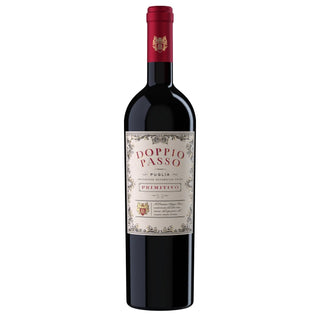
For a start, what I often pour is one Old World and one New World on the same table. Once your palate can tell them apart, choosing wine becomes far more fun. First, as the symbol that links the two worlds, begin with Primitivo from Puglia. In the New World, this becomes Zinfandel, that very grape.
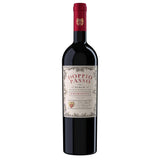
The flag of Old World Puglia. The grape that becomes Zinfandel in the New World, the bottle that links both
Doppio Passo Primitivo 2024Doppio Passo
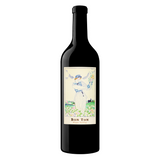
A New World flagship. Blended with Zinfandel too, the partner for a fruit-depth tasting
Napa Valley Bon Ton Red 2022Crosby Roamann
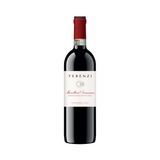
Tuscan Sangiovese. A food red where acidity, not tannin, leads, in true Old World style
Morellino di Scansano 2023Terenzi
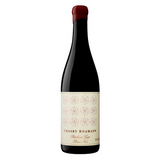
Sonoma cooled by fog. An elegant, cool-climate Pinot even in the New World
Petaluma Gap Pinot Noir 2022Crosby Roamann
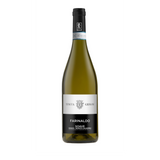
Garganega from Veneto. Old World white minerality and finesse
Farinaldo Soave 2024Tenuta Grimani
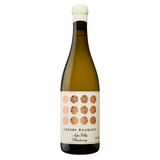
New World Chardonnay. The opposite pole of ripe fruit and a mellow depth
Napa Valley Chardonnay 2023Crosby Roamann
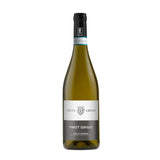
A Veneto staple white. Light and food-friendly, a classic Old World bottle
Pinot Grigio 2024Tenuta Grimani
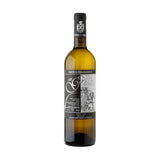
Sicilian Grillo. A fruit-driven Old World white that carries the southern sun
Grillo del Barone 2023Barone di Serramarrocco
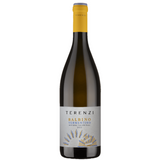

A New World rose. Chill the fullness of the fruit and enjoy
Napa Valley Bon Ton Rosé 2024Crosby Roamann
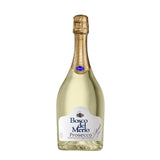
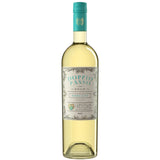
Gentle sweetness and a light sparkle. For an Old World after-dinner glass
Doppio Passo Moscato 2024Doppio Passo
The table below organises the Old and New World wines you can actually drink at Swirl, by region. Use it as a map for tasting side by side.
| World | Region | A bottle |
|---|---|---|
| Old World | Puglia (IT) | Doppio Passo Primitivo |
| Old World | Tuscany (IT) | Morellino di Scansano |
| Old World | Veneto (IT) | Farinaldo Soave |
| Old World | Sicily (IT) | Grillo del Barone |
| New World | Napa Valley (US) | Napa Valley Bon Ton Red |
| New World | Sonoma / Petaluma Gap (US) | Petaluma Gap Pinot Noir |
How to choose: which side are you?
Finally, a shortcut to picking a bottle by preference. When in doubt, start from "which world is closer to me."
- Want it with food, to lift the dish -> Old World. Start with clean-acid Sangiovese or Pinot Grigio.
- Want satisfaction from the glass alone, love fruit depth -> New World. Try a Napa blend or Napa Chardonnay.
- Want to experience the world difference in one grape -> Taste Primitivo (Old World) against Zinfandel (New World, blended into the Bon Ton Red). More in What is Primitivo and What is Zinfandel.
- Want to go deeper on regions -> See our Italian wine regions and California wine guides.
A similar pairing is Burgundy (Old World Pinot Noir) versus California Pinot Noir, often compared. Delicacy that mirrors the land, or the flamboyance of fruit. With the same grape wearing a different face in each world, it is well worth tasting them side by side.
FAQ
Q. Which is better, New World or Old World wine?
A. It is a difference of direction, not rank. If you like food-friendly acidity, the Old World suits you; if you like fruit depth and an easy-to-read flavour, the New World tends to fit. Use that as your guide.
Q. Which should a beginner start with?
A. Either the clearly fruity, easy-drinking New World, or a fruit-rich Old World like southern Italy. Tasting the same grape one bottle from each is the fastest way to find your own preference.
Q. Is it true that "New World means cheap"?
A. A common myth. Some of the world's most expensive wines come from California, and the Old World has wonderful daily wines too. Price is set by vineyard rank and the labour of winemaking, not by the world divide.
Q. Can I tell them apart by whether the label shows a place or a grape?
A. As a tendency, yes. The Old World often names the place (Soave, etc.), the New World the grape (Chardonnay, etc.). There are exceptions, so use it only as a first impression.
Q. Does the same grape really taste different across worlds?
A. It does. The classic case is Primitivo (Old World) and Zinfandel (New World), the same variety by DNA. Powerful in Puglia, jammy in California: a fine example of climate and winemaking changing the face.
If a bottle catches your eye, open one Old World and one New World at the same table. Once you can tell the difference, choosing wine becomes far more free.
Reference: Primitivo, Zinfandel and Tribidrag (Crljenak Kastelanski) have been confirmed as the same variety by DNA analysis (research by UC Davis and others; Jancis Robinson, Wikipedia "Zinfandel", and more).

Comments (0)
There are no comments for this article. Be the first one to leave a message!