

Italy's wine regions are unique in the world: all 20 of the country's regions make wine, making Italy a nation that is, quite literally, wine from end to end. Unlike France, where fame concentrates in a handful of areas, everywhere you go across Italy's 20 regions you find a local grape and a local wine. That is what makes it so deep, and why so many treasures are still waiting to be discovered.
Hello, I am Federico, and I import and pour Italian wine here in Tokyo. In this guide I will organize Italy's regions into four groups (North, Central, South and the Islands) so the map settles into your head.
A common misconception: Italian wine is not just Tuscany or Piedmont
In Japan, "the great names of Italy" usually means Chianti in Tuscany or Barolo in Piedmont. Wonderful, of course, but that is only the doorway. Veneto, Sicily, Puglia, Sardinia and more all have leading grapes and dishes of their own. The "DOCG, DOC, IGT" on a label is less a quality rank than an address, telling you where a wine was made and under which rules. Italy has more than 500 origin appellations. Once you know the regions, labels suddenly become readable.
Italy's four zones at a glance
| Zone | Climate | Key regions and grapes | Style |
|---|---|---|---|
| Northern Italy | Cool to continental | Piedmont (Nebbiolo), Veneto (Prosecco, Garganega) | Clean acidity, delicate, age-worthy. Home of great sparkling too |
| Central Italy | Warm Mediterranean | Tuscany (Sangiovese), Umbria, Marche | Structured, savory reds. Made for the table |
| Southern Italy | Hot and dry | Puglia (Primitivo), Campania | Rich, mellow fruit. Great value too |
| The Islands (Sicily, Sardinia) | Sun-soaked, sea-surrounded | Sicily (Nero d'Avola, Grillo), Sardinia (Vermentino) | Characterful. Saline whites, powerful reds |
How style changes by region, and Florence's "wine windows"
Within one country, the further north you go the cooler it gets, and wines turn delicate with clean acidity. The further south and into the islands, the stronger the sun, and the fruit grows richer and rounder. Some grapes, like Nebbiolo (the grape of Barolo), ripen slowly in cool sites; others, like Primitivo, soak up sun and ripen sweet. This idea, that a difference in land becomes a difference in taste, is the real joy of Italian wine.
Here is one detail that captures a region's character. In Florence, the capital of Tuscany, small "buchette del vino" (wine windows) still dot the walls of old buildings. Born in the 16th century when Cosimo I de' Medici allowed noble families to sell their own estate wine directly, they are little openings just big enough to pass a bottle. Around 180 survive in central Florence and more than 300 across Tuscany, and a preservation association was founded in 2015. During an age of plague they were used to hand over wine without human contact, and in the recent pandemic they came back to life serving spritz and gelato, catching the world's attention. A 500-year-old daily habit still alive today, so very Tuscan.
Enjoying it in Japan: choose the region to fit the scene
Once the map of regions is in your head, choosing a bottle in Japan gets much easier. Here is how I often suggest it. For a toast or aperitivo, a light sparkling like Prosecco from northern Veneto. For an everyday red or something a little meaty, Puglia's Primitivo from the south is mellow and hard to get wrong. For Japanese food or delicate white fish, a white like Sicily's Inzolia, which recalls a salty sea breeze, is a lovely match. And when you want a wine to sit beside a whole meal, Central Tuscany's Sangiovese: its "not too heavy, not too light" balance works beautifully with the umami of soy and dashi. In Japanese homes, serving even a rich southern red slightly chilled (16 to 18C) keeps it from feeling heavy in summer.
Federico's picks: if it is one bottle, make it a Central red
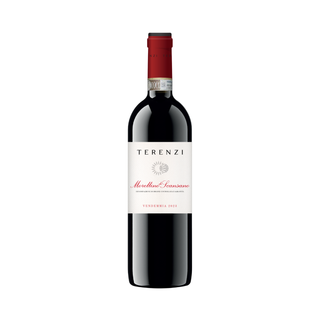
To learn Italy's regions with your body, I suggest starting with Central Tuscany's Sangiovese. It is the most widely planted red across Italy and the benchmark for what "Italian" tastes like. What I often pour is Morellino di Scansano from Maremma on the Tuscan coast. It is 100% Sangiovese, yet its fruit is plumper and its tannins gentler than inland Chianti, and it sits happily beside Japanese food.
To try southern fruit, reach for Doppio Passo Primitivo; for an island white, Serramarrocco Inzolia. Taste them side by side and the map starts to make sense on your palate.
How to remember the regions, and go deeper
Even a rough rule helps: "North = delicate with clean acidity / Central = food-friendly reds / South = rich and mellow / Islands = characterful." With that, you will never be lost in a restaurant or a shop. To go deeper, here are the region guides.
- Tuscany wine guide
- Piedmont wine guide
- Veneto wine guide
- Sicily wine guide
- Sardinia wine guide
- Puglia wine guide
FAQ
Q. How many wine regions does Italy have?
A. All 20 administrative regions make wine. There are more than 500 origin appellations (DOCG, DOC, IGT), and that is the source of Italy's diversity.
Q. Which region should a beginner start with?
A. Central Tuscany's Sangiovese or southern Puglia's Primitivo. Both balance fruit and savory depth well and pair easily with Japanese food, ideal beginner regions.
Q. Do north and south really taste that different?
A. Yes. Broadly, the north is cool, delicate and high in clean acidity, while the south is hot, rich and round. Even the same grape changes style by region.
Q. A common misconception?
A. That a famous region always means delicious and an unknown one means lesser. In truth the lesser-known regions often hide the best finds. Choosing by the match of grower and land, rather than the name of the region, is the shortcut to drinking well.
When a region catches your eye, open a bottle from it. In the glass, the air of that land opens up. Cheers.


Comments (0)
There are no comments for this article. Be the first one to leave a message!