

You read "dry" on a wine label, yet somehow detect a hint of sweetness. Or perhaps you say "I don't like sweet wines," while actually enjoying dry wines with rich fruit character. The word "dry" is used broadly in the wine world, but understanding its scientific definition makes choosing wine far more enjoyable. As a sommelier with over 15 years of experience in Italy, I, Federico, will walk you through the essence of dry wine.
What Is Dry Wine? A Scientific Definition Based on Residual Sugar
Whether a wine is "dry" or "sweet" is scientifically defined by the amount of sugar remaining after fermentation, known as residual sugar (RS). During alcoholic fermentation, yeast converts grape sugars into ethanol and carbon dioxide. When fermentation runs to completion, residual sugar drops to near zero, producing a fully dry wine.
EU Regulation (EC No 607/2009) classifies still wines into four categories based on residual sugar content.
| EU Label | Italian | Japanese Equivalent | Residual Sugar (g/L) | Taste Profile |
|---|---|---|---|---|
| Dry | Secco | 辛口 | 4 or below (max 9: note 1) | Almost no perceptible sweetness |
| Medium-Dry | Abboccato | やや辛口 | 4 to 12 | Slight hint of sweetness |
| Medium-Sweet | Amabile | やや甘口 | 12 to 45 | Distinctly sweet |
| Sweet | Dolce | 甘口 | Over 45 | Dessert wine sweetness |
(Note 1) If the difference from total acidity is within 2 g/L, wines with up to 9 g/L residual sugar may be labeled "Dry/Secco." For example, a wine with 8 g/L residual sugar and 6.5 g/L total acidity qualifies as "dry." This is the scientific explanation behind the phenomenon of "dry wine that tastes slightly sweet."
Dry-to-Sweet Spectrum: Classification by Residual Sugar
Still wine classification based on EC No 607/2009
Four Factors That Shape Your Perception of "Dry"
Your impression of whether a wine tastes "dry" or "sweet" is not determined by residual sugar alone. Human taste perception involves multiple interacting factors. When I taste wine, I always evaluate these four elements in balance.
| Factor | Enhances Dryness | Enhances Sweetness Perception | Example Wine |
|---|---|---|---|
| Acidity | High acidity counterbalances residual sugar | Low acidity lets residual sugar dominate | Soave (high acid, crisp dry) |
| Tannin | Astringency reinforces dry impression | Low tannin makes fruit seem sweeter | Nebbiolo (strong tannin, structured) |
| Alcohol | Higher alcohol tends to increase dry sensation | Even low alcohol tastes sweet with high RS | Primitivo (14-15% yet dry) |
| Fruit Aroma | Citrus aromas create a sharp, dry feel | Ripe berry or pear aromas suggest sweetness | Sauvignon Blanc (citrus-driven dry) |
Understanding these four factors explains seemingly contradictory experiences such as "dry wine that tastes sweet" or "sweet wine that feels refreshing." For example, Primitivo from Puglia has extremely low residual sugar, making it scientifically a fully dry wine. Yet its concentrated ripe dark fruit aromas and alcohol at 14-15% create a "sweet and lush" impression on the palate. Scientifically bone-dry, but experientially it can taste "sweet."
World Map of Dry Wine: A Region-by-Region Style Guide
Dry wines are produced throughout Italy, but styles vary greatly depending on the region and grape variety. Let us take a journey from north to south through Italy's major dry wine regions.
Piedmont: The Kingdom of Nebbiolo and Barbera
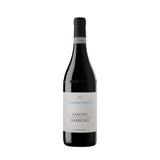
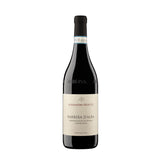
Piedmont in northwestern Italy produces some of Italy's finest dry red wines. Barolo and Barbaresco, made from Nebbiolo, are benchmark dry wines with remarkable acidity and tannin structure. Barbera, while fruit-forward, has low residual sugar and is reliably dry. Wines from the Langhe district pair exceptionally well with food, particularly the Piedmontese classic "tajarin al tartufo" (truffle tajarin pasta).
Veneto: A Treasure Trove of Dry Whites
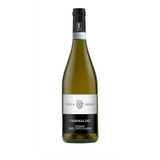
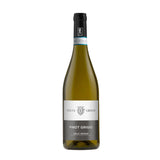
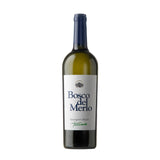
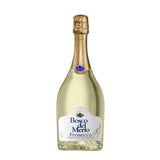
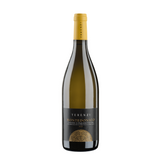
Veneto is a haven for dry white wines. Soave DOC, made from Garganega, delivers surprising minerality and sharpness behind its pale color. In eastern Veneto's Lison-Pramaggiore district, Sauvignon Blanc and Pinot Grigio benefit from cool breezes to produce crisp, dry whites. Prosecco Brut is synonymous with dry sparkling wine.
Tuscany: The Heartland of Sangiovese Dry Wine
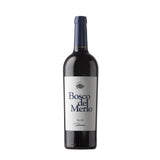
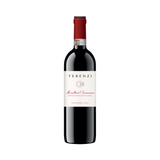
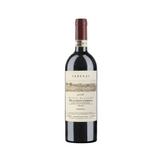
Tuscany is the epicenter of dry Italian wine. Chianti, Morellino di Scansano, and Brunello di Montalcino, all made from Sangiovese, are DOCG-regulated wines required to be vinified as "secco" (dry). Morellino di Scansano from the Maremma district stands out for its fresh acidity and dark berry fruit, making it an ideal gateway into dry reds.
Do you know where the name "Morellino" comes from? One theory traces it to the small, dark native horses called "Morello" that once worked the fields of Maremma. Another links it to the color of dark cherries (morello). Either way, the name is rooted in the local way of life, a testament to how dry wine has always been part of the Maremma table.
Puglia: Primitivo and the "Dry Yet Lush" Paradox
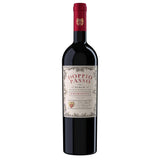
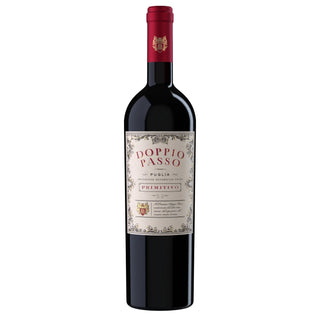
Primitivo from Puglia may be the most misunderstood grape among dry wines. Its residual sugar sits below 4 g/L, scientifically a fully dry wine, yet the concentrated ripe dark fruit and higher alcohol (14-15%) create a lush, almost sweet impression. Whether you love classic dry or prefer something that feels richer, Primitivo satisfies both. Doppio Passo, which Swirl imports exclusively as Japan's first importer, is the benchmark.
Sicily: Mediterranean Sun and Dry Whites
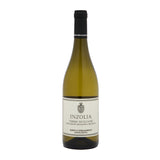
Sicily is renowned for its sweet wines such as Marsala and Passito, but the island is also a treasure trove of dry whites. Inzolia, a native variety, produces white wines with delicate pear and jasmine aromas layered with sea-breeze minerality. The Serramarrocco family in Trapani province crafts organically grown Inzolia that showcases the variety at its finest.
Choosing Dry Wine: A Quick Guide by Occasion and Cuisine
"I want a dry wine but have no idea which one to pick" is something I hear all the time. Here is a guide organized by wine type, with food pairings and occasions. For detailed information on each variety, see the individual guide pages linked below.
| Type | Typical Styles/Varieties | Food Pairings | Best Occasions |
|---|---|---|---|
| Light Dry White | Pinot Grigio, Vermentino | Sashimi, carpaccio, grilled chicken | Aperitivo, summer lunch |
| Full-Bodied Dry White | Sauvignon Blanc, Soave, Chardonnay | Gratin, pan-fried white fish, Japanese cuisine | Dinner, business entertainment |
| Light-to-Medium Dry Red | Sangiovese (Morellino), Barbera | Pasta, pizza, pork and chicken, Japanese simmered dishes | Weeknight dinner, casual party |
| Full-Bodied Dry Red | Nebbiolo (Barolo), Primitivo | Beef steak, lamb, aged cheese, red meat | Anniversary dinner, gifts |
| Dry Rosé | Pinot Grigio Rosé, Prosecco Rosé | Salmon, shrimp, prosciutto, light appetizers | Outdoor dining, casual gatherings |
| Dry Sparkling | Prosecco Brut, Champagne Brut | Fried foods, tempura, raw oysters, appetizers | Aperitivo, toasts, celebrations |
Japanese "Karakuchi" vs. Wine "Dry": What's the Difference?
In Japan, "karakuchi" (辛口) first brings to mind dry sake. Sake's "karakuchi" means "not sweet, clean, sharp," and wine's "dry" similarly means "not sweet." However, wine involves additional elements absent from sake, such as alcohol warmth, tannin, and fruit aroma, which means a dry wine can still feel "heavy" or "rich."
The most common request I hear is actually for a "refreshing dry wine." In that case, a high-alcohol full-bodied red is not the best match. Instead, consider these options:
- Light white wine: Soave or Pinot Grigio (11-12.5%)
- Medium red wine: Morellino di Scansano (13-14%)
- Dry sparkling: Prosecco Brut (11-12%)
On the other hand, if you want "dry but with depth and character," try Primitivo or Syrah, both full-bodied dry reds. Both are scientifically "dry," yet the tasting experience is completely different. Knowing which type of "dry" you are looking for is the first step in choosing wine.
One more useful distinction: sake's "dryness" is measured by the Sake Meter Value (nihonshu-do, where higher positive values mean drier), while wine uses residual sugar (g/L). The metrics are entirely different, so you cannot directly translate sake's dryness scale to wine. Look for "Dry," "Secco," or "Brut" on wine labels to find wines closest to sake's karakuchi (not sweet) character.
The Italian Table and Dry Wine: The Philosophy of Abbinamento
Italian wine culture embraces the concept of "abbinamento," the art of pairing food and wine (the French call it "mariage"). Italian cuisine is rich in salt, umami, and olive oil, and the wines that complement this culinary tradition are naturally dry.
Italy's 1963 wine law (DPR 12 luglio 1963, n. 930) established the DOC system, mandating "secco" (dry) winemaking for major appellations including Morellino di Scansano (DOC 1978, DOCG 2007) and Barolo. This was the legal expression of Italy's philosophy that "wine exists alongside food."
Growing up in Italy, meals without wine were almost unheard of. And the wine at the table was nearly always dry. For Italians, dry wine is not a "special choice" but simply "part of the meal." I believe the simplest way to experience this philosophy is to enjoy a glass of dry wine alongside whatever dish is in front of you.
Storing Dry Wine and Serving Temperatures
Proper storage and serving temperature are key to enjoying dry wine at its best. Here is a guide by wine type.
| Type | Serving Temperature | After Opening | Storage Tips |
|---|---|---|---|
| Dry White | 8-12°C (46-54°F) | 2-3 days (sealed, refrigerated) | Store on its side in a cool, dark place; avoid vibration |
| Light-Bodied Dry Red | 14-16°C (57-61°F) | 3-4 days | Room temp (under 20°C/68°F) is ideal; refrigerate in summer |
| Full-Bodied Dry Red | 16-18°C (61-64°F) | 4-5 days | Remove from fridge 30 min before serving (Japanese rooms tend to be warm) |
| Dry Sparkling | 6-8°C (43-46°F) | Same day (bubbles dissipate) | A sparkling-wine stopper extends life 1-2 days |
| Dry Rosé | 8-10°C (46-50°F) | 2-3 days | Treat the same as white wine |
Japanese summers often push room temperature above 25°C (77°F), so even red wines should be stored in the refrigerator and taken out 20-30 minutes before serving to reach the right temperature. The saying "serve red wine at room temperature" assumes a European stone house. In Japan, "room temperature" is often too warm for wine.
To slow oxidation after opening, minimize the wine's contact with air. A vacuum pump that removes air from the bottle is a simple and effective tool. Red wines last longer than whites after opening because tannins and acidity slow oxidation, but in either case, finish opened bottles sooner rather than later. Refrigerating both reds and whites slows the oxidation process.
Frequently Asked Questions
Q. The label says "dry," but I detect sweetness. Why?
A. A "dry" label indicates residual sugar of 4-9 g/L or below, but sweetness perception depends on more than sugar alone. Ripe varieties like Primitivo with higher alcohol (14-15%) can taste "sweet" due to concentrated fruit aromas, even when residual sugar is extremely low. See the "Four Factors" section above for a detailed explanation.
Q. Is "dry" for sparkling wine the same as for still wine?
A. No, the definitions differ. Sparkling wines allow a wider range of residual sugar because carbonation alters taste perception. "Brut" permits up to 12 g/L, higher than still wine's dry threshold of 4 g/L. "Extra Brut" is 6 g/L or below, and "Brut Nature" is 3 g/L or below, the driest sparkling categories.
Q. What is the typical alcohol level for dry wine?
A. Dry wines span a wide range. Dry whites (Pinot Grigio, Soave) typically run 11-12.5%, lighter dry reds (Sangiovese) 13-14%, and full-bodied dry reds (Primitivo, Barolo) 14-15%. Dryness and alcohol level are independent metrics, so check both on the label.
Q. Can I drink dry wine on a diet?
A. Dry wine contains less sugar than sweet wine, so it tends to be lower in calories. A glass of dry red (125 ml) is roughly 85-100 kcal; dry white is about 80-90 kcal. However, alcohol itself contains calories, so higher-ABV wines have more. Enjoying dry wine in moderation (1-2 glasses a day) with a meal is a sensible approach.
Q. What dry wine do you recommend for beginners?
A. For dry wine beginners, I suggest starting with fruit-forward, approachable dry wines. For red, try Morellino di Scansano (fresh acidity and soft tannins). For white, Soave (minerality and a clean finish). For sparkling, Prosecco Brut (floral aromatics with crisp dryness). All three are versatile enough to complement any meal.
References: EC Regulation No 607/2009 (EU Official Journal), Consorzio Tutela Morellino di Scansano DOCG (disciplinare di produzione), DPR 12 luglio 1963 n. 930 (Gazzetta Ufficiale della Repubblica Italiana)


Comments (0)
There are no comments for this article. Be the first one to leave a message!