

The moment you pour the wine, it already begins to speak
You pour a red wine, bring the glass close, and in that instant — cherries, violets, a whisper of vanilla. Have you ever been pulled into that world before you even take a sip? I genuinely believe that most of the joy of wine lives in its scent. Before you taste a single drop, your nose is already having a conversation with the grape variety, the soil, and the winemaker's hand.
"Aroma" and "bouquet" — two words the wine world uses very precisely. Aroma refers to the primary and secondary scents that come from the grape variety itself and from fermentation. Bouquet refers to the complex tertiary scents that develop through aging. Knowing the difference instantly deepens how you taste.
"I can't identify scents" just means you haven't practised yet
I hear this often: "I could never talk about wine the way sommeliers do." But that's a misconception. The human nose can distinguish more than a trillion distinct smells — scent recognition is not a talent you're born with, it's a skill built through consistent practice. What matters is the right approach and building a vocabulary for what you smell.
The tool that made this possible for the world was the Wine Aroma Wheel, created in 1984 by UC Davis sensory chemist Dr. Ann Noble and published in the American Journal of Enology and Viticulture. Realising that no systematic, quantitative study of wine aromas existed, Dr. Noble organised more than 100 aroma descriptors — fruit, floral, spice, mineral and beyond — into a coherent framework. It remains one of the most influential contributions to wine education ever made, and you can use it as a daily reference map.
The three layers of wine scent and what they mean
Wine aromas divide into three tiers by origin.
| Category | Source | Common descriptors |
|---|---|---|
| Primary aromas | The grape variety itself | Berries, citrus, peach, violet, rose, herbs |
| Secondary aromas | Yeast / malolactic fermentation | Bread, brioche, yogurt, butter |
| Tertiary aromas (bouquet) | Oak / bottle aging | Vanilla, smoke, tobacco, leather, dried fruit, truffle |
Knowing which grape varieties tend to produce which scent families makes choosing wine far more enjoyable.
| Scent family | Key descriptors | Varieties that fit |
|---|---|---|
| Fruity (red) | Cherry, plum, blueberry | Sangiovese, Primitivo, Nero d'Avola |
| Fruity (white) | Pear, green apple, citrus | Grillo, Soave, Riesling |
| Floral | Violet, rose, acacia, jasmine | Nebbiolo, Gewurztraminer |
| Spice | Black pepper, cinnamon, clove | Syrah, Primitivo |
| Mineral | Flint, saline, chalk | Vermentino, Chablis |
| Complex (aged) | Leather, tobacco, forest floor | Aged Sangiovese, Barolo |
How terroir reshapes the same grape's scent
The same variety smells different depending on where it grows. Sangiovese from Chianti in northern Tuscany leads with fresh cherry and violet, while Sangiovese from the warmer coastal Maremma adds dark fruit and smoky nuance — denser, more sun-soaked. Primitivo from Puglia layers blueberry, dried fig, and pepper into a rich, concentrated nose. Nebbiolo from Piedmont opens with roses and tar, shifting to leather and tobacco as it ages. Learning the terroir behind a wine is like learning to read the subtext.
How to get the most from wine aromas in Japan
Glass shape and serving temperature are your two biggest levers. A large Bordeaux-style bowl lets aromas collect and unfold slowly. Reds are best between 18–20°C, whites between 10–12°C — too cold and the scents close up entirely. Take red wine out of the refrigerator 30 minutes before serving, white wine about 15 minutes.
Japanese food pairs beautifully with Sangiovese-based reds: the smoky oak and caramelised notes in yakitori or braised pork echo each other in a way that enriches both. A gentle swirl before the first sip opens the aromas and lets you watch them evolve in the glass.
Federico's recommendation
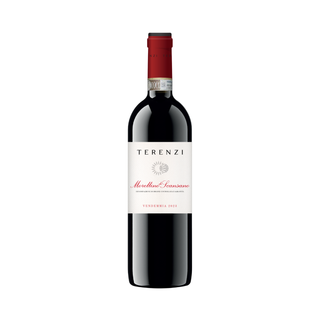
For learning aromas, I recommend starting with the wine that comes from the exact terroir I was describing — Morellino di Scansano, from the coastal Maremma in Tuscany. Sangiovese-based and beautifully complex, it layers cherry, violet, earthy nuance, and oak in a way that gives you both aroma and bouquet in a single glass. Each sip shifts, and you can trace the whole aromatic arc.
How to choose and when to drink
Three things to look for in an aromatic wine. First, grape variety — Gewürztraminer, Riesling (white), Syrah, Primitivo (red) are reliably expressive. Second, vintage — warm years concentrate fruit aromas; cool years highlight floral and herbal notes. Third, age — to experience bouquet, seek wines aged five years or more.
For drinking windows: if you want primary aromas, drink within one to three years of purchase. For bouquet, wait at least five years; the finest wines reveal an entirely new dimension after ten or more years in bottle.
Frequently asked questions
Q. What is the difference between aroma and bouquet?
A. Aroma = scents from the grape and fermentation (primary and secondary). Bouquet = complex scents developed through oak and bottle aging (tertiary). Young wines lead with aroma; as they age, bouquet takes over.
Q. Why does swirling the glass intensify the scent?
A. Swirling increases the surface area exposed to air, releasing volatile aroma compounds all at once. It's especially effective on young reds and whites that are still "closed."
Q. What if I can barely smell anything?
A. Temperature is usually the culprit — try warming your red slightly. Also check that the glass doesn't carry any detergent residue.
Q. I love floral wines — which varieties should I look for?
A. Nebbiolo (rose, violet), Gewürztraminer (lychee, rose), Prosecco and Moscato (white blossom, peach) — all ideally suited for nose-first enjoyment.
Explore Grapes by Aroma: Related Guides
If a particular aroma group caught your attention, these guides will take you deeper into the grape variety behind it.
- Red Fruit and Spice: Sangiovese Guide, Primitivo Guide
- Floral and Complex: Nebbiolo Guide, Gewurztraminer Guide
- Mineral and Citrus: Vermentino Guide, Pinot Grigio Guide


Comments (0)
There are no comments for this article. Be the first one to leave a message!