

Maremma is a region in southwestern Tuscany, Italy, stretching from the Tyrrhenian coastline up into the hills, and it remains one of the lesser-known wine regions in Japan compared to Chianti or Brunello. Yet this is the land once beloved by Orsini nobles, a territory with centuries of cattle-ranching culture predating Italian unification, and home to the Morellino di Scansano DOCG, which earned its top classification in 2007 and whose wines have been rising rapidly in international esteem.
When I pour Italian wine in Tokyo, "Maremma?" is still a reaction I hear often. It's Tuscany, but it's not Chianti. It doesn't conjure the image of a Florentine sunset. That slight unfamiliarity is, paradoxically, Maremma's greatest strength, because what it offers instead is a character born of sea wind, macchia (the Mediterranean scrubland of wild herbs and low evergreens), and layered history that the famous Tuscan hills simply can't replicate.
"Tuscany, But Not Chianti" Is the Entire Pitch
People who know Maremma wines well always say the same thing: "How can Sangiovese taste so different here when it's the same grape as Chianti?" The answer is straightforward. Maremma sits in a warm coastal climate alongside the Tyrrhenian Sea, and Sangiovese ripens in a fundamentally different way than it does inland in the Apennines. Sea breezes moderate summer heat, overnight mountain air retains acidity, and tannins naturally soften. The result is an approachable, fruit-forward, generous Sangiovese that doesn't fight you on the first sip.
Key Wines of Maremma
| Wine | Grape | Classification | Character |
|---|---|---|---|
| Morellino di Scansano | Sangiovese | DOCG | Red, fruit-rich, soft tannins |
| Morellino di Scansano Riserva | Sangiovese | DOCG | Red, aged complexity, built to age |
| Morellino di Scansano Verdurano | Sangiovese | DOCG | Red, spice and dried-fruit nuance |
| Ansonica/Vermentino blends | Various reds | DOC | Red, coastal and hillside character blended |
The History That Shaped Maremma
One fact almost unknown in Japan is central to understanding Maremma's identity.
From the 19th century through the mid-20th century, Maremma's lowlands were a malarial zone. From the time of the Grand Duchy of Tuscany, land drainage projects slowly transformed the wetlands, but until they bore fruit, every summer saw the entire administrative apparatus of Grosseto province, including offices, courts, schools, hospitals, and shops, physically relocate to the hilltop town of Scansano in what was called the sfollamento (mass seasonal migration). This practice was formally enacted into law in 1833 and continued for over a century until the 1960s. Scansano functioned as a "summer provincial capital," and within this annual ritual of gathering, the region's grape-growing and winemaking culture was refined across generations. The vineyards of the lowlands only came into being in the latter half of the 20th century, once malaria was eradicated and the reclaimed land was cultivated.
Key Vocabulary for Maremma
| Term | Meaning | Note |
|---|---|---|
| Morellino | Local name for Sangiovese | Possible etymology: "black horse" or "dark berry" |
| Macchia | Mediterranean scrubland | Natural source of rosemary, thyme, and lavender aromas |
| Butteri | Traditional Maremma cowboys | The only active cattle-herding culture still alive in Italy |
| Sfollamento | Collective seasonal migration | Summer evacuation to Scansano, practiced for over a century to escape lowland malaria |
What Makes Maremma's Vineyards Distinctive
Maremma's geography provides both heat accumulation and evening cooling for its vines. Cold air flowing down from Monte Amiata (1,738 m), the region's highest peak, drops temperatures each night and preserves acidity. Meanwhile, sea-driven ventilation maximizes long sunshine hours, drawing out ripe, generous fruit. Soils vary across the zone from sandy loams to clay-rich earth to limestone-influenced outcrops, and this diversity creates a wide range of styles, even within the Morellino appellation.
Enjoying Maremma Wine in Japan
Maremma pairs surprisingly naturally with Japanese cuisine. Morellino's gentle style works beautifully with sweet-savory Japanese cooking. The tannin-versus-acidity clash that can make some reds uncomfortable simply doesn't apply here. Instead, the controlled sweetness in Japanese dishes and the wine's fruit work in concert. Sukiyaki, miso-braised pork, ginger-sautéed chicken, soy-glazed hamburger steak: try Morellino with any of these.
Serve at 16 to 17°C, slightly cooler than room temperature. Take it out of the fridge and let it sit briefly; by the time you pour, it's at exactly the right temperature.
Federico's Picks
Having visited the estates in Maremma and imported these wines to pour for Tokyo customers, what struck me most was the sheer value-mindedness of the producers here. While marquee Tuscan names chase global scores and premium pricing, Maremma's growers tend to think about their vineyards first, and you taste it.
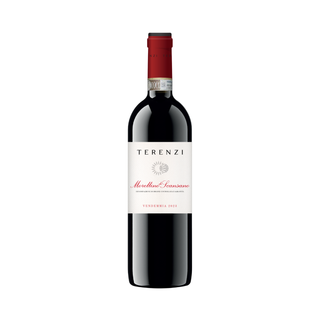
Terenzi is a family-run winery with vineyards at the heart of the Scansano DOCG zone, handling everything from viticulture to bottling in-house. It's a wine I confidently recommend whether you're trying Sangiovese for the first time or found Chianti a touch heavy.
For a more evolved upper tier, Madre Chiesa is worth knowing: a 100% Sangiovese in an aged style, with notes of spice, smoke, and dates, deep ruby with real complexity. Save it for a special occasion.
A Guide to Choosing and Serving
Starting with standard Morellino is the right call for first-timers: drinkable right out of the bottle, excellent with food. The Riserva rewards 30 minutes of decanting, allowing tannins to open and the spice-plus-fruit complexity to emerge.
Related articles: What Is Morellino di Scansano? / What Is Sangiovese? / What Is Puglia Wine?
Frequently Asked Questions
Q. Where exactly is Maremma within Tuscany?
A. Maremma covers southwestern Tuscany, centered on Grosseto province. It spans from the Tyrrhenian coastal flats up into the hills, roughly halfway between Florence and Rome by car.
Q. Can I find Maremma wines at a regular wine shop in Japan?
A. Distribution has historically been limited. These wines rarely appear in supermarkets or general liquor stores and are mostly available through specialist importers with direct relationships.
Q. Riserva or standard Morellino: which is better for beginners?
A. Standard Morellino. You get the generous, fruit-forward impression right away. The Riserva has its own rewards but benefits from decanting.
Q. Are there Maremma wines beyond Morellino?
A. Yes. Beyond Morellino di Scansano, the broader Maremma Toscana DOC covers Cabernet Sauvignon reds and Vermentino whites as well.
Q. Why is Maremma attracting so much attention now?
A. As marquee Tuscan wines reach premium price points, quality-focused Maremma producers are investing heavily in their vineyards. Many also embrace sustainable viticulture, aligning with modern consumer values.


Comments (0)
There are no comments for this article. Be the first one to leave a message!