

The best Sicilian wines are made from the island's native grapes, grown under Mediterranean sun and sea breezes: generous in fruit, mineral in character, and easy on the wallet. Sicily, Italy's largest island, has distinctive whites and reds alike. From crisp, taut whites to soft, mellow reds, there is always a bottle here for the everyday table. Below are the in-stock Sicilian wines I most often pour in Tokyo.
A Common Myth: "Sicilian Wine Means Cheap, Mass-Produced Bottles"
Some people still picture Sicilian wine as old-style sweet fortified Marsala, or inexpensive bulk wine. But today's Sicily has changed enormously. The stars now are fresh, mineral dry wines that make the most of cool sea breezes and big day-night temperature swings. The producer I feature, Barone di Serramarrocco, farms sustainably on the hills of Erice in the island's west. Beyond ripe fruit, their wines have clean acidity and a savory salinity.
Sicily's Main Grapes and Their Flavors
Sicily's charm lies in a wealth of native grapes you will not meet anywhere else. Here are the key ones.
| Grape | Type | Flavor |
|---|---|---|
| Inzolia | White | Lemon and almond, crisp and dry |
| Grillo | White | Herbs and citrus, body and salinity |
| Nero d'Avola | Red | Ripe berries, mellow and approachable |
| Zibibbo | White (aromatic) | Lychee and muscat, fragrant and floral |
How Style Changes by Area
Even within Sicily, character shifts from place to place. The west (around Trapani and Marsala) excels at whites like Grillo and Inzolia. The east, around Mount Etna, gives delicate, intensely mineral wines, while the southern islands (Pantelleria) are famous for sweet, aromatic Zibibbo. Our wines are born in the west, in Erice, Trapani province. And this area has a signature dish inseparable from wine.
It is cous cous alla trapanese, a seafood couscous eaten with a broth made from fish. Sicily was once under Arab rule, and that food culture still runs deep here. In Trapani and San Vito lo Capo it is eaten as a matter of course, at home and at festivals alike. Where North African couscous is built on meat or legumes, Sicily's is finished with fish broth. In other words, the white wines of this land were practically born to be drunk with seafood.
Pairing at the Japanese Table
The idea of a "white born for seafood" fits the Japanese table perfectly. Crisp Sicilian whites like Inzolia and Grillo are superb with sashimi, tempura, chilled summer noodles, and clams steamed in sake. They shine brightest with simple dishes of just lemon and salt. The red, Nero d'Avola, suits yakitori with tare, tomato-sauce pasta, and braised pork. One tip at home: serve the whites well chilled, at 8 to 10C. Even on a hot day, their clean acidity and salinity pull a dish neatly together.
Federico's Picks (In Stock Now)
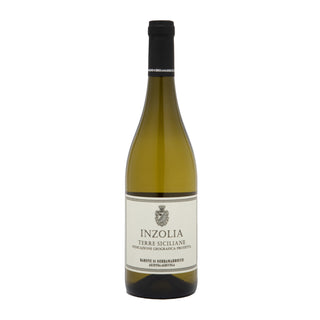
If you pick just one bottle, make it Barone's Inzolia. With its lemon-and-almond aromas and crisp dry finish, it is the white that fits the Japanese table most naturally. For a day when you want a little more body, reach for Grillo del Barone, made from the grape that also forms the base of Marsala. If you prefer red, the 100% Nero d'Avola Baglio di Serramarrocco is mellow and easy with everyday meals. All are in stock and ready to ship.
How to Choose, and Where to Learn More
The best way to choose is to match the food. For seafood and Japanese dishes, go white (Inzolia or Grillo); for meat and tomato dishes, go red (Nero d'Avola). On a day you want fragrance, aromatic Zibibbo is a lovely option. To learn more grape by grape, see our guides to Inzolia and Nero d'Avola, or browse the full range in our Sicily collection.
Frequently Asked Questions
Q. Which Sicilian wines do you recommend?
A. For white, Inzolia or Grillo; for red, Nero d'Avola. All are affordable and easy to pair with a meal, perfect to start with.
Q. What food do Sicilian white wines pair with?
A. Sashimi, tempura, chilled summer noodles, and seafood and Japanese dishes in general. Serve well chilled at 8 to 10C.
Q. Are Sicilian wines sweet?
A. Most are dry. The sweet image comes from fortified Marsala and some Zibibbo; today's mainstream table wines are crisp and dry.
Q. What is the most common mistake?
A. Not chilling the whites enough. In summer especially, chill them well to around 8 to 10C and their minerality and salinity come alive.
Pour yourself a bottle that tastes of Sicily's sun and sea.


Comments (0)
There are no comments for this article. Be the first one to leave a message!