

Langhe Nebbiolo is the perfect starting point for anyone beginning to explore Italian wine. Made from the same Nebbiolo grape as Barolo and Barbaresco, yet more approachable in both price and character, this wine embodies a beautiful duality. Every time I, Federico, walk the hillsides of Piedmont, I'm struck by how this grape marries elegance with power. Gazing through a glass of pale ruby, you can almost see the mist-draped hills of the Langhe beyond it: Nebbiolo is that poetic a grape. In this guide, I'll walk you through everything from Langhe Nebbiolo's key characteristics and how it differs from Barolo, to food pairings and the rich wine culture of Piedmont, all from a sommelier's perspective.
What Is Langhe Nebbiolo?
Langhe Nebbiolo DOC is a red wine produced in the Langhe hills of Cuneo province in Piedmont. It must contain at least 85% Nebbiolo, with up to 15% of other permitted varieties such as Dolcetto or Barbera allowed in the blend. Compared to the DOCG wines Barolo and Barbaresco, Langhe Nebbiolo has more relaxed aging requirements, giving winemakers the freedom to craft anything from fresh, fruit-forward styles to wines built for longer cellaring.
The name "Nebbiolo" derives from "nebbia," the Piedmontese dialect word for fog. In late October, during harvest, morning mist blankets the Langhe hills, creating a landscape that feels like the very essence of this grape's homeland. I still remember the first time I visited the Langhe: watching vineyards emerge from the fog felt almost magical.
The soils where Langhe Nebbiolo grows are primarily calcareous clay and marl. These soils lend the wine its minerality and finesse, while the hillside elevations of 250 to 450 meters create significant day-night temperature swings that preserve the grapes' acidity. Nebbiolo is a late-ripening variety, often staying on the vine until late October. This extended growing season is what develops its complex aromas and flavors. One of the great charms of Langhe Nebbiolo DOC is that outstanding wines can come from vineyards outside the Barolo zone or from younger vines. In fact, many prestigious Barolo houses produce a Langhe Nebbiolo as a way to share their Nebbiolo in a more accessible format, and quality continues to rise year after year. In terms of value, it ranks among the best in all of Italian wine.
Differences from Barolo and Barbaresco
Langhe Nebbiolo, Barolo, and Barbaresco are all Nebbiolo-based wines, but they differ significantly in classification, aging requirements, and price range. See the comparison table below.
| Langhe Nebbiolo DOC | Barolo DOCG | Barbaresco DOCG | |
|---|---|---|---|
| Classification | DOC | DOCG | DOCG |
| Minimum aging | None required | 38 months (18 in barrel) | 26 months (9 in barrel) |
| Main production area | Entire Langhe hills | 11 villages including Serralunga and La Morra | 4 villages including Neive and Barbaresco |
| Price range | ¥3,000 to ¥8,000 | ¥8,000 to ¥50,000+ | ¥6,000 to ¥30,000+ |
| Tannin intensity | Medium, supple | Powerful | Medium to moderately strong |
| Drinking window | Upon release to 5 years | 5 to 20+ years | 3 to 15 years |
Barolo is known as the "King of Wines" and is built for long aging, though in its youth the tannins can be imposingly firm. Langhe Nebbiolo serves as an ideal introduction, offering Nebbiolo's inherent finesse, fragrant aromas, and bright acidity in a style that's enjoyable right after opening. Tasting a Barolo and a Langhe Nebbiolo from the same producer side by side reveals the shared varietal backbone while highlighting how dramatically aging shapes the wine's expression.
Winemaking approaches also differ. Barolo typically involves extended aging in large casks (botti) or barriques, whereas Langhe Nebbiolo often uses stainless steel or shorter barrel aging to preserve its fruit-forward character. That said, some producers craft Langhe Nebbiolo with a depth that rivals Barolo, leveraging the classification's flexibility to express diverse styles. Next time you spot one at a wine shop, check the back label for the aging method (stainless steel vs. barrel). You'll be surprised how much a winemaker's approach can transform the same appellation.
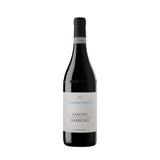
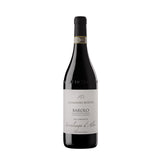
Tasting Profile: Aromas and Flavors
Nebbiolo is a grape whose depth belies its pale appearance. In the glass, it shows a beautiful gradient from pale ruby to garnet, with an orange-tinged rim. Despite this translucent color, the palate reveals firm tannins and vibrant acidity.
| Element | Langhe Nebbiolo characteristics |
|---|---|
| Appearance | Pale ruby to garnet, orange reflections at the rim |
| Aromas | Cherry, dried rose, violet, licorice, white pepper |
| Palate | Red fruit acidity, fine-grained tannins, mineral undertones |
| Finish | Medium to long, with subtle bitterness and spice |
| Serving temp | 16 to 18°C (slightly cool to firm up the tannins) |
| Recommended glass | Large Burgundy bowl to allow aromas to open up |
The charm of a young Langhe Nebbiolo lies in its fresh cherry and raspberry fruit. With air exposure, dried flower and spice nuances emerge, and the wine's character shifts noticeably within about 30 minutes. Decanting or using a generously sized glass to follow these changes is recommended. Personally, I never tire of this grape: the first sip and the last always tell completely different stories.
Vintage variation is another source of enjoyment. Warmer years produce richer, more approachable fruit, while cooler years emphasize acidity and elegance. Because Langhe Nebbiolo is relatively affordable, it's the perfect vehicle for comparing vintages and learning the character of the Nebbiolo grape. For anyone looking to deepen their wine knowledge, this is an ideal study companion.
Merenda Sinoira: Piedmont's Wine Culture
🍷 Merenda Sinoira
Piedmont has a cherished tradition called "merenda sinoira," an evening gathering rooted in rural life. "Sinoira" comes from the Piedmontese dialect word for "dinner" (cena), and it describes the custom of gathering in the late afternoon, after the day's work in the fields, to enjoy wine with cold cuts such as salami, toma cheese, anchovy sauce (the base for bagna cauda), and grissini. It's not a formal meal but a casual moment shared among friends over a glass or two. Langhe Nebbiolo and Barbera are the quintessential wines for this occasion. Every time I visit winemakers in the Langhe, I'm drawn into this tradition. Wine isn't just about food pairing: it's a culture of sharing time with the people around you.
The spirit of merenda sinoira resonates with how wine is enjoyed in Japan, too. That after-work glass with friends, nothing fancy, just good company: this is exactly where Langhe Nebbiolo shines. Neither too heavy nor too light, it strikes a perfect balance. Savoring wine without pretension, taking pleasure in the moment: I believe this attitude is at the very heart of what makes Italian wine so captivating.
Food Pairings for Langhe Nebbiolo
Nebbiolo's refined acidity and tannins make it a versatile food wine. It pairs beautifully with Piedmontese cuisine and sits just as naturally on a Japanese table.
Classic Piedmontese pairings: tajarin (egg-rich hand-cut pasta) with butter and truffle, brasato (beef braised in red wine), vitello tonnato (cold veal with tuna sauce), and fonduta (Fontina cheese fondue). The delicate umami and richness of these dishes harmonize wonderfully with Nebbiolo's acidity. Autumn and winter bring white truffle season: shaving Alba white truffle over tajarin alongside a glass of Langhe Nebbiolo is a quintessentially Piedmontese indulgence.
On the Japanese table: roast duck, mushroom risotto, beef tendon braised in red wine, and aged cheese platters. For a surprising pairing, try the sweet-savory glaze of grilled eel (kabayaki) against Nebbiolo's acidity. In autumn, matsutake dobinmushi (pine mushroom broth) or chestnut rice complement Nebbiolo's earthy nuances beautifully, as the wine's soil-like notes resonate with mushrooms and root vegetables. The key is choosing dishes that highlight umami flavors. Overly heavy sauces or strong spices can overshadow Nebbiolo's delicacy, so simple preparations work best. Start serving at around 16°C and let the wine warm gradually through the meal for an evolving tasting experience.
Piedmont's Key Grape Varieties and SWIRL's Lineup
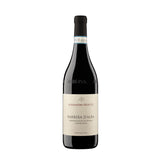
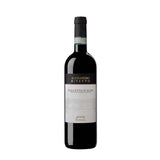
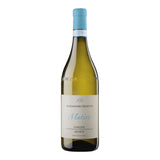
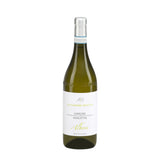
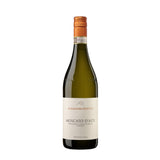
Piedmont is far more than Nebbiolo alone. Barbera, Dolcetto, Arneis, Nascetta, and Moscato are just a few of the distinctive varieties that reflect the terroir of these hills. At SWIRL, we carry all of these from Alessandro Rivetto's estate, allowing you to experience Piedmont's diversity through a single winemaker. You'll be amazed at how different the wines taste, even though they come from the same land and the same hands.
Among reds, Barbera and Dolcetto stand alongside Nebbiolo as Piedmont's three great varieties. For whites, Arneis leads the way. Nascetta, a variety that has gained attention in recent years, was rescued from the brink of extinction, and Rivetto is one of the winemakers most deeply involved in its revival.
Frequently Asked Questions
Are Langhe Nebbiolo and Barolo made from the same grape?
Yes, both are primarily Nebbiolo. The differences lie in regional regulations and aging requirements. Barolo, as a DOCG, mandates a minimum of 38 months' aging, whereas Langhe Nebbiolo DOC has far fewer constraints, giving winemakers more freedom in style. It's also more affordable, making it the ideal entry point for experiencing Nebbiolo.
When is the best time to drink Langhe Nebbiolo?
Generally within five years of release. For fresh fruit character, two to three years is ideal; for a more settled, nuanced profile, four to five years. While it's not designed for the long aging that Barolo demands, wines from top producers can drink well at seven to eight years. Opening the bottle 30 minutes to an hour before serving allows the aromas to blossom.
What glass should I use for Nebbiolo?
A large Burgundy-style glass is best. Its wide bowl gives the wine room to open up and release Nebbiolo's delicate aromas of rose, violet, and spice. Choose a rounder shape over a narrow Bordeaux glass: the larger the surface area exposed to air, the more aromatic evolution you'll enjoy.
Should I decant Langhe Nebbiolo?
For younger vintages, 30 minutes to an hour of decanting can dramatically open up the aromas. Avoid extended decanting, however, as Nebbiolo is a delicate wine. Alternatively, pour into a generous glass and let it evolve at its own pace. My personal tip: sniff the glass every 15 minutes and follow the aromatic journey from cherry to violet to spice.
What's the best bottle for a Nebbiolo beginner?
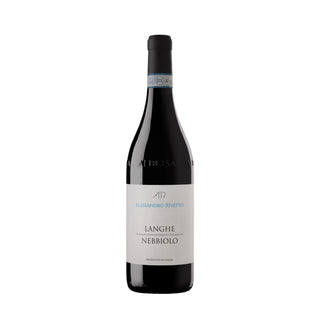
Start with a Langhe Nebbiolo. More affordable than Barolo and with gentler tannins, it lets you appreciate Nebbiolo's core traits (delicate aromatics, bright acidity, red-fruit character) in their purest form. Alessandro Rivetto's Langhe Nebbiolo from SWIRL is an ideal first bottle. From there, stepping up to a Barolo reveals just how profoundly this grape can express itself.
Conclusion
Langhe Nebbiolo is the finest gateway to the depth of Italian wine. The same grape as Barolo, yet approachable from the very first vintage. As the merenda sinoira tradition shows, wine in Piedmont is woven into everyday life. Not just for special occasions, but for a quiet glass at dusk: that is where this wine truly comes alive.
At SWIRL, we offer Alessandro Rivetto's Langhe Nebbiolo alongside his Barbera, Dolcetto, Arneis, Nascetta, and Moscato, presenting the full spectrum of Piedmont's hillside bounty through a single estate. Take that first step and explore the range of flavors these hills have nurtured. If a wine catches your eye, you'll find detailed tasting notes on each product page. May a glass from the hills of Piedmont enrich your wine journey.
References: Consorzio di Tutela Barolo Barbaresco Alba Langhe e Dogliani official materials; Regione Piemonte, "Atlante dei prodotti agroalimentari tradizionali del Piemonte"


Comments (0)
There are no comments for this article. Be the first one to leave a message!