

Barbera is a fruit-forward, food-friendly red grape variety widely grown in Piedmont, northwestern Italy, made for everyday drinking. If Nebbiolo is the "special occasion wine," Barbera is the "everyday wine" — approachable and perfectly at home on the dinner table.
What Does Barbera Taste Like?
Deep in color, with aromas of blackberry, plum, and ripe cherry. High acidity gives it a lively impression, while tannins stay in the background. The fruit-forward character and smooth drinkability are what make Barbera so appealing.
| Attribute | Profile |
|---|---|
| Body | Medium to full |
| Acidity | High |
| Tannin | Low to moderate |
| Taste | Dry |
| Serving temperature | 16–18°C |
Barbera d'Alba vs Barbera d'Asti
Barbera has two distinct faces depending on the region. Both are dry, but differ in style and price range.
| Comparison | Barbera d'Alba (DOC) | Barbera d'Asti (DOCG) |
|---|---|---|
| Region | Around Alba (Langhe hills) | Asti / Monferrato |
| Style | Rich, concentrated fruit; often oak-aged | Lighter, lively acidity; fresh character |
| Price range | ¥3,500–¥8,000 | ¥2,000–¥5,000 |
| Food pairing | Ragù, braised meats, aged cheese | Pizza, tomato pasta, everyday meals |
Food Pairings for Barbera
Barbera pairs beautifully with tomato-based pasta, pizza, braised meats, and grilled dishes. Its high acidity also makes it an excellent match for rich, fatty foods.
Barbera vs Nebbiolo
Even within Piedmont, Nebbiolo and Barbera occupy different roles: Nebbiolo is tannic and built for long aging; Barbera is soft-tannined with bright acidity, meant for everyday enjoyment. Barbera is far easier to drink casually.
Comparing Italy's Everyday Reds
Barbera is not the only beloved everyday red in Italy. Each region has its own daily companion. Let's compare their personalities.
| Grape | Region | Style | Price range |
|---|---|---|---|
| Barbera | Piedmont | High acidity, low tannin, blackberry fruit | From ¥3,500 |
| Sangiovese | Tuscany | Cherry acidity, firm tannin, herbal notes | From ¥2,500 |
| Primitivo | Puglia | Concentrated dark fruit, plush, soft tannin | From ¥2,000 |
Piedmont's Everyday Wine
A bit of local color here. When people in Japan hear "Piedmont," they often think of Barolo, the "King of Wines." But the wine that locals actually pour at lunch and dinner most days is not Barolo; it's Barbera. In Italian, they call it "vino di tutti i giorni" (everyone's everyday wine). Unpretentious, it slips effortlessly alongside polenta, pizza, and home cooking.
When I, Federico, visited a friend's home in Piedmont, the bottle open on the table as a matter of course was Barbera. A fine Nebbiolo (a Barolo or Barbaresco) sits in the cellar, saved for a special Sunday lunch or celebration. Barbera is the cheerful companion of every other day. That's exactly why it's a wine you can enjoy without overthinking it.
SWIRL's Recommended Barbera
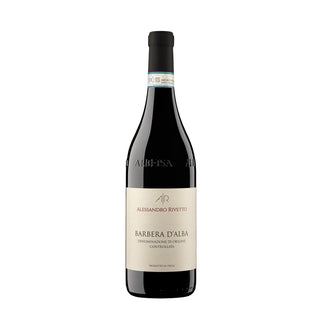
From Rivetto (a renowned Barolo producer in Piedmont), this Barbera d'Alba captures the rich fruit and lively acidity of the Langhe hills.

Looking for a pasta pairing? See our Wines for Pasta guide.
Related Grape Variety Guides
- What is Sangiovese? Tuscany's quintessential red, brimming with bright cherry acidity.
- What is Primitivo? Puglia's sun-drenched, plush dark-fruit red.
- What is Dolcetto? Piedmont's other everyday red, with gentle tannins and cherry aromas.
- What is Nebbiolo? The noble grape behind Barolo and Barbaresco: power meets elegance.
Frequently Asked Questions
Q. Is Barbera good for beginners?
A. Absolutely. With low tannins and generous fruit, Barbera is one of the most approachable reds for everyday meals.
Q. Can I serve Barbera slightly chilled?
A. Yes. In summer, a light chill brings out the acidity and makes it even more refreshing.
Q. What's the ideal serving temperature?
A. Around 16–18°C is the sweet spot.
Q. What's the difference between Barbera d'Alba and Barbera d'Asti?
A. Barbera d'Alba comes from the Langhe hills near Alba, with richer, more concentrated fruit. Barbera d'Asti, from the Monferrato area, tends to be lighter and more immediately refreshing. Asti is generally the more affordable of the two. Swirl's Rivetto (¥4,900) is a Barbera d'Alba.
Q. Which is easier to drink, Barbera or Nebbiolo (Barolo)?
A. Barbera by a wide margin. With less tannin and more upfront fruit, Barbera is the kind of wine you can open any day without a special reason. Nebbiolo's strong tannins and acidity make it a more structured, age-worthy variety.


Comments (0)
There are no comments for this article. Be the first one to leave a message!